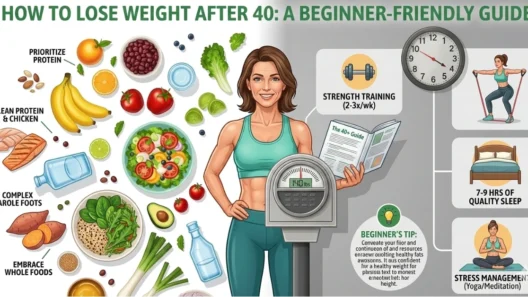



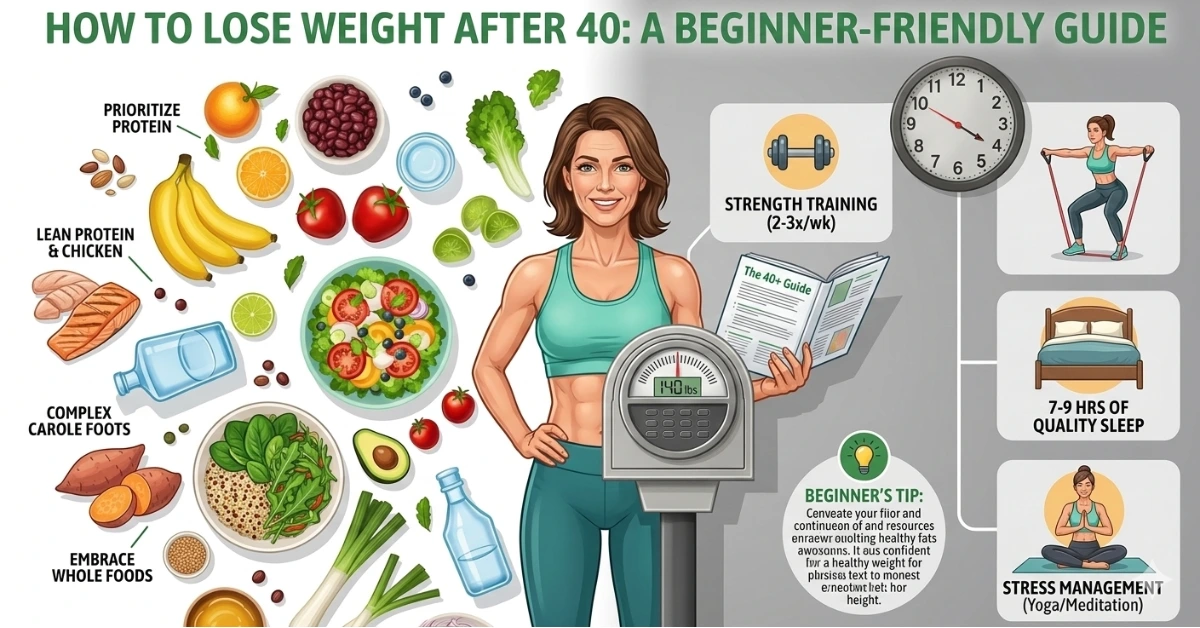
Losing weight after 40 can seem more difficult than it was in your younger years. Many people notice that their metabolism slows down, their energy levels change, and it becomes easier to gain weight. However, the good news is that losing weight after 40 is absolutely possible. With the right mindset, healthy habits, and consistent effort, you can improve your health and achieve your Lose Weight goals.
This beginner-friendly guide will explain simple and practical strategies that can help you lose weight safely and sustainably after the age of 40.
Understanding Why Weight Gain Happens After 40
Weight gain after the age of 40 is a common concern, and several factors contribute to it. One of the main reasons is the natural slowing of metabolism. As we get older, the body burns fewer calories at rest, which means that the same diet and activity level that worked in younger years may no longer maintain weight. Along with this, muscle mass naturally decreases while body fat tends to increase, further affecting metabolism and calorie needs.
Hormonal changes also play a significant role in weight gain. For women, menopause often leads to fat accumulation around the abdominal area due to shifts in estrogen levels. Men may experience a gradual decline in testosterone, which can reduce muscle mass, lower energy levels, and make it harder to maintain a healthy weight.
Lifestyle factors are equally important. Busy work schedules, family responsibilities, stress, and reduced physical activity can all contribute to gradual weight gain over time. Poor sleep and unhealthy eating habits can also make managing weight more difficult.
By understanding how metabolism, hormones, and lifestyle changes affect the body, you can take informed steps to manage weight effectively. Adopting balanced nutrition, regular exercise, and healthy daily habits can help counter these challenges and support long-term weight management.
Setting Realistic Lose Weight Goals
When trying to lose weight after 40, it is important to set realistic and healthy goals. Quick Lose Weight methods may promise fast results, but they are often difficult to maintain.
A safe and sustainable Lose Weight goal is usually around one to two pounds per week. Slow and steady progress helps your body adjust and makes it easier to maintain the results in the long term.
Instead of focusing only on the number on the scale, consider other signs of progress such as improved energy levels, better sleep, increased strength, and improved overall health.
The Importance of Balanced Nutrition
Nutrition plays the most important role in Lose Weight. What you eat each day directly affects your energy levels, metabolism, and body composition.
A balanced diet should include:
- Protein for muscle maintenance
- Healthy fats for hormone balance
- Complex carbohydrates for energy
- Vitamins and minerals for overall health
- Fiber for digestion and fullness
Eating balanced meals helps control hunger and prevents overeating.
Choosing the Right Foods
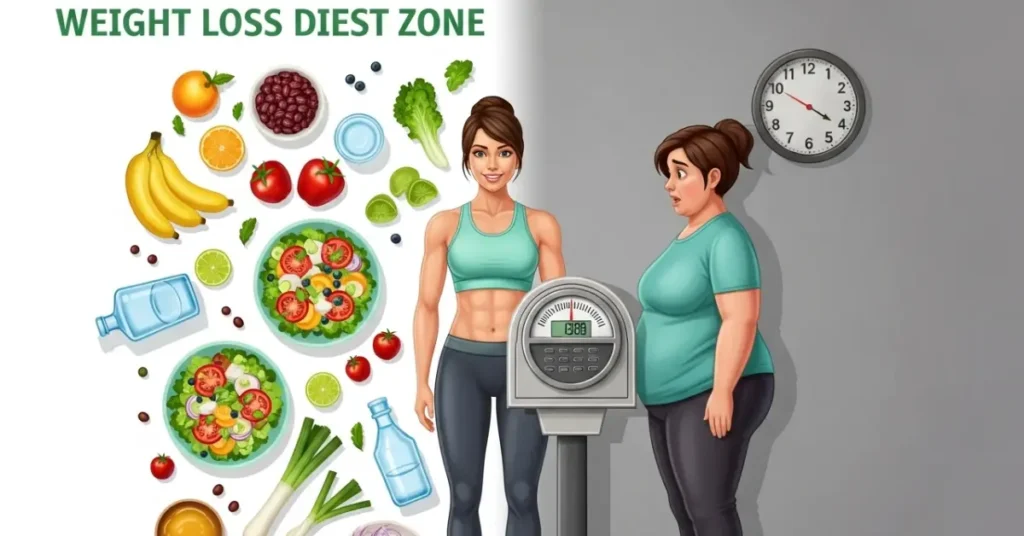
Choosing nutritious foods is one of the most effective ways to support Lose Weight.
Some healthy food options include:
Vegetables:
Broccoli, spinach, carrots, peppers, and leafy greens are low in calories and high in nutrients.
Fruits:
Apples, berries, oranges, and bananas provide natural sweetness and fiber.
Lean Proteins:
Chicken, fish, eggs, tofu, beans, and lentils help maintain muscle mass and keep you full longer.
Whole Grains:
Brown rice, oats, quinoa, and whole wheat foods provide long-lasting energy.
Healthy Fats:
Avocados, nuts, seeds, and olive oil support heart health and help regulate hunger.
Limiting processed foods, sugary drinks, and high-fat snacks can make a big difference in your Lose Weight journey.
Portion Control and Mindful Eating
Even healthy foods can lead to weight gain if consumed in large portions. Learning portion control is an important skill for maintaining a healthy weight.
Mindful eating can also help. This means paying attention to your food, eating slowly, and recognizing when you feel full.
Helpful mindful eating tips include:
- Eat without distractions such as television or phones
- Chew your food slowly
- Stop eating when you feel satisfied, not overly full
- Serve meals on smaller plates
These simple habits can help reduce unnecessary calorie intake.
The Role of Exercise in Lose Weight
Exercise plays a vital role in maintaining a healthy weight, especially after the age of 40. As metabolism naturally slows down with age, staying physically active becomes even more important for burning calories and maintaining overall health. Regular physical activity not only helps with Lose Weight but also improves heart health, boosts mood, and increases energy levels throughout the day.
Another key benefit of exercise is its ability to maintain and build muscle mass. Muscle tissue burns more calories than fat, even when the body is at rest. This means that having more muscle can help support a healthier metabolism and make weight management easier over time. Strength training exercises, along with cardio workouts, can help preserve muscle and keep the body strong.
Health experts generally recommend at least 150 minutes of moderate physical activity each week. This can be divided into smaller sessions, such as 20–30 minutes a day, making it easier to fit into a busy schedule. Activities like walking, cycling, swimming, and dancing are excellent options that keep the body moving while also being enjoyable and easy to maintain in the long term.

Check the Best Natural Supplements That Support Lose Weight After 40
Strength Training for People Over 40
Strength training is especially important after the age of 40. Building and maintaining muscle helps increase metabolism and improve overall strength.
Beginner-friendly strength exercises include:
- Squats
- Lunges
- Push-ups
- Light dumbbell exercises
- Resistance band workouts
You do not need heavy weights to start. Even bodyweight exercises can provide great benefits.
Performing strength training two or three times per week can help maintain muscle and support fat loss.
Cardio Workouts That Are Easy on the Body
Cardio exercises are important for burning calories and improving heart health. After the age of 40, it becomes even more important to choose workouts that are gentle on the joints. Low-impact cardio activities help keep the body active without causing too much stress on knees, hips, or the lower back. These exercises can improve endurance, boost metabolism, and support long-term fitness. Performing them regularly can help maintain a healthy weight and overall well-being.
Brisk walking:
Brisk walking is one of the simplest cardio exercises.
It helps burn calories and improve heart health.
It is gentle on the joints and easy to start.
You can do it in parks, streets, or on a treadmill.
Walking for 30 minutes daily can be very beneficial.
Swimming:
Swimming is a full-body workout that is very low impact.
Water supports the body and reduces pressure on joints.
It helps build endurance and muscle strength.
Swimming also improves cardiovascular fitness.
It is a great option for people with joint pain.
Cycling:
Cycling is another joint-friendly cardio exercise.
It helps strengthen the legs and improve stamina.
You can cycle outdoors or use a stationary bike.
Regular cycling also supports heart health.
It is suitable for different fitness levels.
Elliptical workouts:
Elliptical machines provide smooth and low-impact movement.
They work both the upper and lower body.
The exercise reduces stress on the knees and hips.
It helps burn calories and improve endurance.
Elliptical workouts are common in many gyms.
Light jogging:
Light jogging can improve cardiovascular fitness.
It burns more calories than regular walking.
Start slowly to avoid putting stress on the joints.
Wearing proper shoes is also important.
Short jogging sessions can help build stamina over time.
The Importance of Sleep
Sleep plays a crucial role in maintaining overall health and supporting effective weight management. Many people focus only on diet and exercise when trying to lose weight, but they often overlook the importance of getting enough quality sleep. Poor sleep can disrupt important hormones in the body that regulate hunger and appetite. When these hormones become unbalanced, it can increase feelings of hunger and make it more difficult to control food intake.
When you do not get enough rest, your body may start craving high-calorie, sugary, or processed foods for quick energy. This can lead to overeating and make weight management more challenging. In addition, lack of sleep can reduce your energy levels, making it harder to stay physically active throughout the day.
Most health experts recommend that adults get around seven to eight hours of sleep each night for optimal health and proper body function. Establishing a consistent sleep routine, reducing screen time before bed, and creating a calm sleeping environment can significantly improve sleep quality and support healthy weight management.
Managing Stress for Better Weight Control
Stress can have a major impact on body weight. When stress levels rise, the body releases a hormone called cortisol.
High cortisol levels can increase appetite and encourage fat storage, especially around the abdominal area.
Effective stress management techniques include:
- Deep breathing exercises
- Meditation
- Spending time in nature
- Gentle yoga
- Journaling
Taking time to relax and recharge can improve both mental and physical health.
Explore Safe Fat-Burning Supplements Recommended for Adults 40+
Building Healthy Habits That Last
Successful Lose Weight after 40 is not about quick diets or temporary solutions. It focuses on creating healthy habits that you can maintain for a long time. Sustainable habits make it easier to manage weight and improve overall health. Instead of making extreme changes, small daily improvements can lead to lasting results. Consistency is the key to maintaining a healthy lifestyle.
Planning meals ahead of time:
Meal planning helps you make healthier food choices.
It reduces the chances of eating unhealthy snacks.
You can control portions and balance nutrients better.
It also saves time during busy days.
Preparing meals in advance supports better eating habits.
Staying physically active daily:
Daily activity helps burn calories and improve fitness.
Simple exercises like walking can be very effective.
Regular movement also supports heart health.
It helps maintain muscle strength as you age.
Try to stay active for at least 30 minutes a day.
Drinking enough water:
Water helps keep the body properly hydrated.
It supports digestion and overall body functions.
Drinking water may also help control hunger.
Sometimes thirst is mistaken for hunger.
Aim to drink water regularly throughout the day.
Tracking progress:
Tracking helps you stay motivated and focused.
It allows you to see improvements over time.
You can monitor your weight and habits easily.
Small progress can encourage you to keep going.
Regular tracking supports long-term success.
Sample Weekly Routine for Beginners
| Day | Activity |
| Monday | 30-minute brisk walk and light strength exercises |
| Tuesday | Stretching or yoga session |
| Wednesday | 30-minute cycling or swimming |
| Thursday | Rest day or light walking |
| Friday | Full-body strength workout |
| Saturday | Outdoor activity such as hiking or walking |
| Sunday | Relaxation, stretching, and recovery |
This simple routine helps balance exercise, recovery, and relaxation.
Common Mistakes to Avoid
Many people make mistakes that slow down their progress. Avoiding these common issues can help you stay on track.
Skipping meals:
Skipping meals can make you feel very hungry later.
This often leads to overeating in the next meal.
Your energy levels may also drop during the day.
It can slow down your metabolism over time.
Try to eat balanced meals at regular intervals.
Following extreme diets:
Extreme diets usually cut out many important nutrients.
They may work for a short time but are hard to continue.
Most people regain the weight after stopping them.
Such diets can also harm your overall health.
Choose a balanced and sustainable eating plan instead.
Ignoring strength training:
Strength training helps build and maintain muscle.
Without it, the body may lose muscle during Lose Weight
Muscle helps burn more calories even at rest.
Ignoring it can slow down your metabolism.
Include basic strength exercises in your routine.
Lack of consistency:
Healthy habits work only when done regularly.
Being inconsistent slows down your progress.
Skipping workouts or healthy meals affects results.
Small daily actions create long-term success.
Stay committed to your routine.
Expecting instant results:
Lose Weight is a gradual process.
Healthy changes take time to show results.
Expecting quick results can cause frustration.
Patience helps you stay motivated.
Focus on steady and long-term progress.
Frequently Asked Questions (FAQ)
1. Is it really possible to lose weight after 40?
Yes, losing weight after 40 is definitely possible.
Healthy eating habits play an important role.
Regular exercise helps burn calories and build strength.
A balanced lifestyle also supports weight management.
Consistency and patience are the keys to success.
2. How much exercise should I do each week?
Experts recommend about 150 minutes of exercise weekly.
This can include walking, cycling, or swimming.
Strength training should also be included regularly.
Exercise helps improve metabolism and overall health.
Try to stay active on most days of the week.
3. Do I need to follow a strict diet?
A strict diet is not always necessary.
Balanced meals are more sustainable long term.
Focus on eating fruits, vegetables, and whole foods.
Portion control also helps manage calorie intake.
Healthy habits matter more than extreme dieting.
4. Why does belly fat increase after 40?
Hormonal changes affect how the body stores fat.
Metabolism naturally slows down with age.
Loss of muscle mass also contributes to fat gain.
Lifestyle habits may also influence weight changes.
Regular exercise and healthy eating can help manage it.
5. How long does it take to see results?
Lose Weight results vary from person to person.
Many people notice small changes in a few weeks.
Consistency with diet and exercise is important.
Healthy Lose Weight usually happens gradually.
Patience and persistence lead to lasting results.
Conclusion
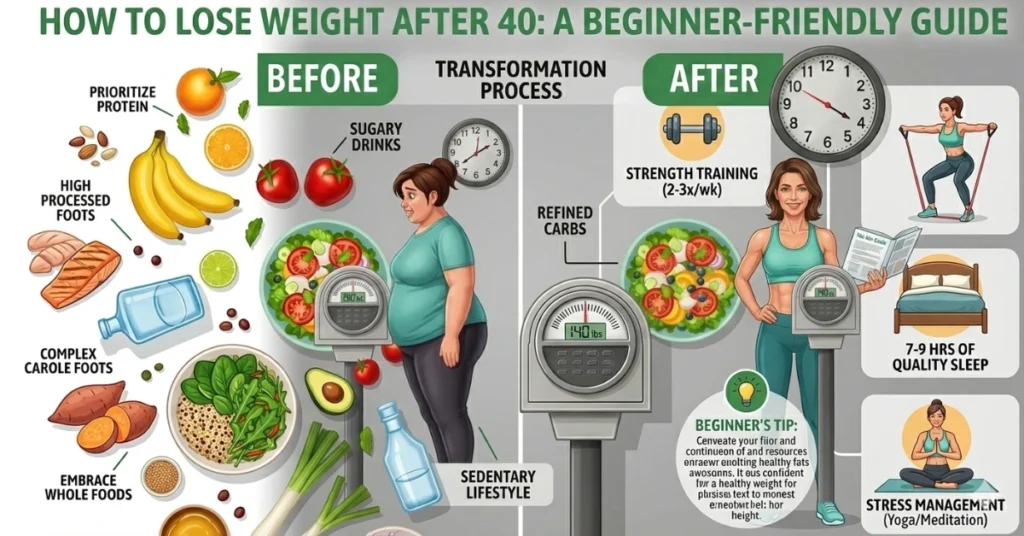
Losing weight after the age of 40 may take more patience and dedication, but it is absolutely possible with the right approach. As the body changes with age, metabolism may slow down and lifestyle habits become even more important. Understanding these natural changes can help you make better decisions about your health and fitness journey. Instead of looking for quick fixes, focusing on sustainable habits can lead to long-term success.
Maintaining a balanced diet filled with nutritious foods is one of the most important steps. Regular physical activity, including both cardio and strength training, helps keep the body strong and supports a healthy metabolism. Proper sleep and effective stress management also play a significant role in weight control and overall well-being. When these healthy habits are practiced consistently, they can make a noticeable difference over time.
Remember that the goal is not only to lose weight but also to build a healthier lifestyle that improves energy, strength, and quality of life. Even small daily improvements can lead to meaningful results in the long run. With patience, commitment, and a positive mindset, you can achieve your weight goals and enjoy a healthier and more active life in the years ahead.
Tags:- #lose weight after 40, #Lose Weight after 40, #how to lose weight after 40, #beginnerLose Weight tips after 40, #metabolism after 40, #healthy Lose Weight for adults over 40, #diet plan for Lose Weight after 40, #exercise for Lose Weight after 40, #natural ways to lose weight after 40, #sustainable Lose Weight over 40, #fitness tips after 40, #weight management after 40, #belly fat loss after 40, #simple Lose Weight guide for beginners, #healthy lifestyle after 40.