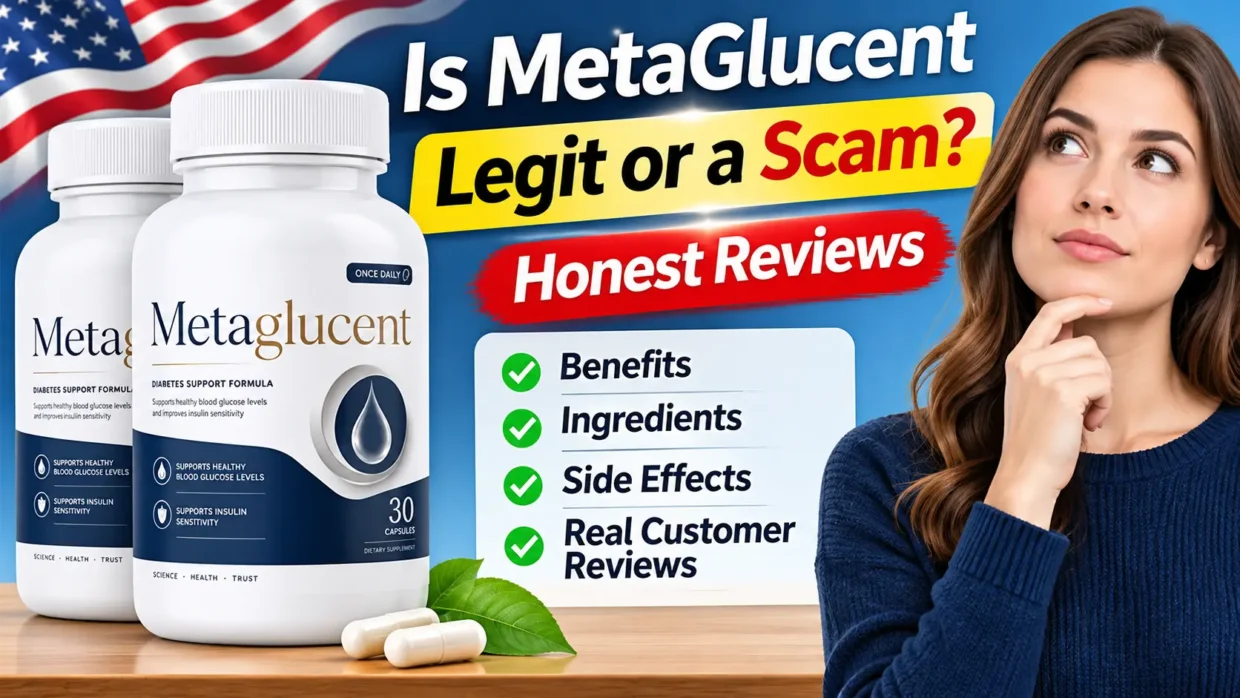
Maintaining healthy blood sugar levels is an important part of overall wellness, particularly for adults who want to support their metabolism and maintain an active lifestyle. With changing food habits, busy work schedules, less physical activity, and increasing interest in preventive health, many Americans are exploring nutritional supplements that may complement their everyday wellness routines.
One product attracting attention in the blood sugar supplement category is MetaGlucent.
MetaGlucent is marketed as a dietary supplement designed to support healthy blood glucose levels, normal glucose metabolism, and insulin sensitivity. Its formula combines vitamins, minerals, and several plant-based ingredients that are commonly discussed in metabolic health research.
However, an attractive product description and a long ingredient list are insufficient reasons to purchase a supplement. Consumers should understand what goes into the formula, what scientific research says about its ingredients, whether the product has independent clinical evidence, and what actual customers are reporting.
What Is MetaGlucent?
MetaGlucent is a dietary supplement marketed for blood sugar support and metabolic wellness. According to its product website, the formula combines essential nutrients with plant-based extracts that are commonly discussed in nutritional research related to glucose metabolism.
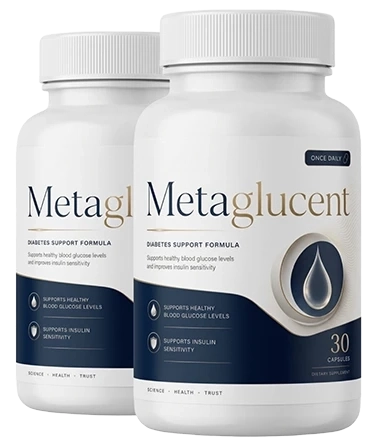
The supplement is presented as a convenient daily option for adults interested in supporting their general metabolic health. Its advertised formula includes ingredients such as berberine, gymnema sylvestre, bitter melon, cinnamon bark, chromium, vitamin C, vitamin D, and magnesium.
MetaGlucent comes in capsule form, and the product information describes a once-daily serving. The packaging shown for the product also identifies a 30-capsule supply.

One important distinction is that MetaGlucent is a dietary supplement, rather than an approved diabetes medication. Its marketing claims should therefore be evaluated separately from established medical treatments.
Quick Product Overview
| Product Detail | Available Information |
|---|---|
| Product name | MetaGlucent |
| Category | Dietary supplement |
| Main purpose | Blood sugar and metabolic support |
| Product format | Capsules |
| Bottle quantity | 30 capsules |
| Suggested use | One capsule daily, according to the product website |
| Main ingredients | Berberine, chromium, gymnema, cinnamon, and other nutrients |
| Target market | Adults interested in metabolic wellness |
| Purchase channel | Brand-linked online website |
| Advertised guarantee | 60 days, according to the seller |
| Product classification | Dietary supplement |
The information above reflects available product marketing and label details. Consumers should check the packaging and current checkout terms before purchasing.
Is MetaGlucent Legit or a Scam?
This is probably the most important question for anyone researching MetaGlucent supplement reviews.
The first thing to understand is that a product being sold online and a product being scientifically proven are two different things.
MetaGlucent has an identifiable product website, a described formula, product packaging, and published purchase information. These details suggest that it is marketed as a commercial supplement.
However, there are several points that deserve attention before calling it a completely trustworthy purchase.
1. The Product Has a Published Ingredient List
The available product information identifies several vitamins, minerals, and botanical extracts.
This is useful because consumers can examine the formula instead of relying entirely on general marketing descriptions.
However, most botanical ingredients are grouped into a proprietary blend. This means the individual quantities of those ingredients are unavailable on the published panel examined for this review.
2. Its Health Claims Need Scientific Verification
MetaGlucent is promoted for healthy glucose metabolism and insulin support.
Some ingredients in its formula have been investigated in scientific studies. For example, berberine, chromium, and cinnamon have been researched for possible effects on glucose-related measurements.
However, research on individual ingredients does not automatically prove that the complete MetaGlucent formula produces the same effects.
A finished-product clinical trial would be much stronger evidence.
3. The FDA Approval Claim Requires Careful Attention
The brand-linked website contains language describing MetaGlucent as FDA approved.
This wording deserves scrutiny.
According to the U.S. Food and Drug Administration, dietary supplements do not receive premarket FDA approval for safety and effectiveness in the same way that prescription medicines do.
Manufacturers remain responsible for product safety, labeling, and compliance with applicable regulations.
Therefore, an FDA-registered facility or a statement about manufacturing standards should never be interpreted as proof that MetaGlucent itself has FDA approval.
Consumers can review the FDA’s official guidance before relying on such claims.
4. Independent Customer Feedback Is Limited
The brand-linked website displays positive customer testimonials. However, testimonials published by a seller are different from independently verified customer reviews.
During this review, I could not establish a dependable independent customer rating or a representative collection of verified purchase experiences.
That means the available MetaGlucent customer reviews should be treated cautiously.
5. The Company Offers a Purchase Guarantee
The product website advertises a 60-day satisfaction guarantee.
This may offer additional purchasing reassurance, but buyers should read the complete refund policy. Important details include return eligibility, shipping expenses, refund processing, and the exact date from which the guarantee period begins.
Honest Verdict
MetaGlucent appears to be a commercially marketed dietary supplement, but its effectiveness as a finished formula remains unproven by the independent clinical evidence reviewed here.
There is insufficient evidence to label it a scam, but there is also insufficient evidence to recommend it as a proven blood sugar treatment.
Consumers should evaluate the product carefully and speak with a qualified healthcare professional before considering its use.
MetaGlucent Ingredients: What Does the Formula Contain?
Understanding MetaGlucent ingredients is essential because the formula is the foundation of its advertised benefits.
According to the available Supplement Facts information, the product contains four individually quantified nutrients and a proprietary botanical blend containing thirteen ingredients.
The following breakdown describes the published ingredient information and the research surrounding some of its components.

1. Vitamin C
Vitamin C is an essential nutrient that supports several normal body functions.
It contributes to:
- Normal immune system function.
- Collagen formation.
- Antioxidant protection.
- Normal tissue maintenance.
- Protection against oxidative stress.
Vitamin C is widely available through foods such as oranges, strawberries, kiwi, broccoli, and bell peppers.
The published MetaGlucent label lists 90 mg of vitamin C per capsule.
Although vitamin C is important for general health, its presence alone does not establish that the complete supplement improves blood sugar control.
2. Vitamin D
Vitamin D supports normal calcium absorption, bone health, and muscle function.
It also participates in several biological processes involved in overall metabolic health.
People obtain vitamin D through sunlight exposure, certain foods, and dietary supplements.
The published label lists 25 mcg of vitamin D per serving.
Research has investigated relationships between vitamin D status and type 2 diabetes. However, taking additional vitamin D does not automatically improve glucose control in everyone.
Its usefulness depends partly on individual nutritional status and medical circumstances.
3. Magnesium
Magnesium is an essential mineral involved in hundreds of biochemical reactions.
Its functions include:
- Normal muscle function.
- Nerve signaling.
- Energy production.
- Protein synthesis.
- Normal carbohydrate metabolism.
Some research has explored magnesium intake and insulin sensitivity.
The MetaGlucent label lists 20 mg of magnesium as magnesium oxide.
This amount represents approximately 5% of the listed adult Daily Value, making it a relatively small contribution to daily magnesium requirements.
Foods such as spinach, almonds, pumpkin seeds, beans, and whole grains are useful dietary sources.
4. Chromium
Chromium is a trace mineral associated with normal macronutrient metabolism.
It has been studied for its possible role in insulin function and glucose metabolism.
Some research has suggested potential benefits in particular groups, although results have been inconsistent.
MetaGlucent lists 100 mcg of chromium as chromium picolinate.
An important consideration is that chromium supplements can interact with certain diabetes medications. People taking insulin or metformin should discuss chromium supplementation with their healthcare provider.
5. Berberine HCl
Berberine is a plant-derived compound found in several botanical sources.
It has received attention in nutritional and metabolic research because studies have investigated its possible influence on glucose metabolism and insulin resistance.
Some clinical research has reported improvements in certain blood glucose measurements among people with type 2 diabetes.
However, the quality and consistency of the available evidence vary.
Berberine may also interact with medications and can cause digestive discomfort in some people.
An important limitation of the MetaGlucent formula is that its published proprietary blend does not disclose the individual amount of berberine.
6. Gymnema Sylvestre
Gymnema sylvestre is a traditional botanical used in herbal wellness practices.
Its leaves contain compounds called gymnemic acids, which have been investigated for their possible influence on taste perception and glucose-related processes.
Some preliminary research has examined gymnema in relation to blood sugar metabolism.
However, more high-quality human research is needed to establish its effectiveness and appropriate use.
Its presence in MetaGlucent does not guarantee a particular health outcome.
7. Bitter Melon
Bitter melon is a vegetable commonly used in Asian cooking and traditional herbal practices.
It contains several plant compounds that researchers have investigated for possible metabolic effects.
Some small studies have explored bitter melon and glucose-related measurements, but the results are mixed.
It should be considered a research ingredient rather than an established treatment for diabetes.
8. Cinnamon Bark
Cinnamon is a popular spice that has also been studied for its possible effects on glucose metabolism.
Some research has suggested that cinnamon supplementation may influence fasting blood glucose measurements.
However, studies differ in their cinnamon preparations, doses, duration, and participant characteristics.
Cassia cinnamon also contains coumarin, which may be a concern for people with liver problems when consumed in large amounts.
9. Turmeric
Turmeric contains curcumin and other naturally occurring compounds.
It has been investigated for its antioxidant and anti-inflammatory properties.
Some research has explored its possible relationship with metabolic health, but the findings are still developing.
Turmeric should not be considered a replacement for established diabetes management.
10. Olive Leaf Extract
Olive leaf extract contains plant compounds, including oleuropein.
Researchers have explored its antioxidant properties and possible effects on cardiovascular and metabolic health.
However, there is insufficient evidence to establish that the amount included in MetaGlucent produces a meaningful clinical benefit.
11. Cocoa Bean Extract
Cocoa beans contain flavanols and other naturally occurring plant compounds.
Some studies have investigated cocoa flavanols in relation to blood vessel function and cardiovascular health.
The amount and type of cocoa extract matter when interpreting these findings.
The published proprietary blend does not disclose its individual cocoa extract quantity.
12. Pine Bark Extract
Pine bark extract contains plant compounds known as procyanidins and other polyphenols.
It has been researched for its antioxidant properties and possible cardiovascular effects.
However, research on pine bark extract cannot be used as proof of the effectiveness of the complete MetaGlucent formula.
13. Eleuthero Root
Eleuthero, sometimes called Siberian ginseng, is a botanical traditionally used in wellness preparations.
It has been investigated for its possible relationship with fatigue, stress, and general physical performance.
Evidence supporting specific metabolic benefits remains limited.
14. Juniper Berry
Juniper berries contain naturally occurring plant compounds and have a history of traditional use.
They are sometimes included in herbal formulations designed for general wellness.
There is insufficient reliable clinical evidence to establish a blood sugar benefit from the quantity included in this formula.
15. Banaba Leaf Extract
Banaba is a tropical plant whose leaves contain compounds such as corosolic acid.
Researchers have investigated banaba extracts for their possible effects on glucose metabolism.
Some preliminary studies are interesting, but stronger clinical evidence is required before making reliable conclusions.
16. Butcher’s Broom
Butcher’s broom is a botanical traditionally used in preparations related to circulation and vein health.
It contains compounds called ruscogenins.
Its inclusion in MetaGlucent does not establish a direct benefit for blood sugar management.
17. Guggul Resin Extract
Guggul is a resin obtained from the Commiphora mukul plant.
It has a history of use in traditional herbal practices and has been investigated for different metabolic effects.
However, evidence supporting its use for glucose management is limited, and potential interactions deserve attention.
Ingredient Transparency: An Important Finding
The published label provides the following amounts:
| Ingredient | Amount per capsule |
|---|---|
| Vitamin C | 90 mg |
| Vitamin D | 25 mcg |
| Magnesium | 20 mg |
| Chromium | 100 mcg |
| Thirteen botanical ingredients | 528 mg combined |
The thirteen botanical ingredients share one proprietary blend weighing 528 mg.
This is a significant limitation because consumers cannot see exactly how much berberine, gymnema, cinnamon, bitter melon, or any other botanical is present individually.
A transparent supplement label should make it easy for customers and healthcare professionals to evaluate ingredient quantities.
MetaGlucent Benefits: What Does the Formula Aim to Support?
MetaGlucent is marketed as a supplement for people interested in maintaining normal blood sugar and supporting metabolic wellness.
Its advertised benefits are connected to the nutrients and botanicals included in the formula.
However, these should be understood as intended nutritional support rather than proven treatment outcomes.

1. Supports Normal Glucose Metabolism
The formula contains chromium and several botanical ingredients that have been studied for their possible relationship with glucose metabolism.
Chromium is an essential trace mineral involved in normal macronutrient metabolism.
However, the evidence does not establish that taking MetaGlucent improves blood sugar control.
2. Provides Essential Nutrients
MetaGlucent includes vitamin C, vitamin D, magnesium, and chromium.
These nutrients support different normal functions in the body.
For adults whose diets are lacking in particular nutrients, meeting nutritional requirements may be helpful for general health.
3. Supports General Metabolic Wellness
The product combines minerals and botanical extracts that are frequently discussed in metabolic health research.
Its once-daily format may also be convenient for people who prefer a simple supplement routine.
4. Provides Antioxidant-Related Nutrients
Vitamin C and several plant extracts contain compounds associated with antioxidant activity.
Antioxidants help protect cells against oxidative stress.
However, the presence of antioxidant ingredients does not establish that MetaGlucent prevents diabetes complications or other medical conditions.
5. Convenient Daily Capsule
According to the seller, the suggested serving is one capsule daily.
For people who prefer capsules instead of multiple individual supplements, this format may be convenient.
Still, convenience should be considered separately from clinical effectiveness.
MetaGlucent: Does It Work?
The question of whether MetaGlucent does it work deserves a science-based answer.
There are two different questions to consider:
- Do some ingredients in the formula have scientific research behind them?
- Has the finished MetaGlucent formula been proven effective in human clinical trials?
The first question has a mixed answer. Several ingredients have been investigated, with varying levels of evidence.
The second question remains unanswered because I could not verify a published, independent clinical trial testing the complete MetaGlucent formula.
What Does Scientific Research Say?
The National Center for Complementary and Integrative Health (NCCIH), part of the National Institutes of Health, explains that research on supplements such as chromium, cinnamon, and berberine has produced mixed findings.
Some studies suggest possible benefits, but limitations in research design, sample size, dosage, and consistency prevent firm conclusions.
The American Diabetes Association also explains that dietary supplements are not established as effective treatments for lowering blood glucose or managing diabetes in people without an underlying nutritional deficiency.
This distinction is important.
Even if an individual ingredient demonstrates a potential effect in a scientific study, the complete MetaGlucent formula requires its own clinical evaluation.
What Would Prove That MetaGlucent Works?
A strong clinical evaluation would ideally include:
- A clearly defined group of adult participants.
- A suitable placebo or comparison group.
- A disclosed ingredient formula and dosage.
- A reasonable study duration.
- Reliable fasting glucose measurements.
- HbA1c measurements where appropriate.
- Independent statistical analysis.
- Publication in a reputable scientific journal.
Without such evidence, the advertised MetaGlucent results should be considered uncertain.
MetaGlucent Side Effects: What Should Consumers Know?
Every dietary supplement deserves a careful side-effect assessment, especially when it contains several active botanical ingredients.
MetaGlucent contains chromium, berberine, cinnamon, gymnema, bitter melon, and other plant extracts.
Potential reactions may depend on the ingredient, its quantity, the person’s health status, and any medicines being taken.
Possible side effects associated with individual ingredients include:
1. Digestive Discomfort
Berberine may cause digestive reactions such as:
- Nausea.
- Diarrhea.
- Constipation.
- Abdominal discomfort.
- Bloating.
The likelihood of these reactions depends on the dose and individual tolerance.
2. Low Blood Sugar
Some ingredients investigated for glucose-related effects may influence blood glucose.
Combining such ingredients with insulin or other glucose-lowering medicines could increase the risk of hypoglycemia.
Symptoms of low blood sugar can include sweating, shakiness, dizziness, confusion, and weakness.
3. Allergic Reactions
Certain botanical extracts may trigger allergic reactions in sensitive individuals.
Anyone with known allergies should review the complete product label before use.
4. Headache or General Discomfort
Some supplement ingredients can cause headaches or other unwanted reactions in certain users.
Because the finished MetaGlucent formula has limited independent safety research, its exact side-effect rate cannot be established.
5. Possible Liver-Related Concerns
High intake of certain botanical compounds may create additional risks for people with existing health conditions.
For example, cassia cinnamon contains coumarin, which can be harmful to the liver in excessive amounts.
People with liver conditions should seek medical advice before using multi-ingredient herbal supplements.
Is MetaGlucent Safe?
Safety deserves a separate discussion from potential side effects.
A product can contain familiar vitamins and plant extracts while still creating risks for certain individuals.
MetaGlucent includes several ingredients that may interact with prescription medicines or affect glucose-related processes.
For this reason, the product should be reviewed by a healthcare professional before use.
Who Should Exercise Extra Caution?
The following groups should seek professional advice before considering MetaGlucent:
- People diagnosed with type 1 or type 2 diabetes.
- People taking insulin or other blood sugar medications.
- Individuals using metformin.
- People with kidney or liver conditions.
- Pregnant or breastfeeding individuals.
- Adults preparing for surgery.
- People taking multiple prescription medicines.
- Individuals with known allergies to any listed ingredient.
Important Safety Recommendations
- Never replace prescribed diabetes medicine with a dietary supplement.
- Check the complete ingredient label before purchasing.
- Discuss possible medication interactions with a pharmacist or doctor.
- Follow the serving instructions on the packaging.
- Avoid combining several glucose-support supplements without professional advice.
- Seek medical attention if you experience a serious or unexpected reaction.
People managing diabetes should continue their established treatment plan and regular monitoring.

MetaGlucent Customer Reviews: What Are People Saying?
Customer feedback can help buyers understand a product’s convenience, packaging, delivery, and purchasing experience.
However, reviews should be evaluated carefully.
The MetaGlucent website displays positive testimonials attributed to customers from different U.S. states. These testimonials describe experiences involving energy, satisfaction, and perceived blood sugar support.
Because these statements are published on the seller’s website, they cannot automatically be treated as independently verified customer experiences.
I could not establish a reliable independent review sample that would allow an accurate customer satisfaction percentage.
What Should Buyers Look for in Customer Reviews?
When researching MetaGlucent customer reviews, consider checking:
- Whether the review comes from a verified purchase.
- Whether the review includes a publication date.
- Whether the reviewer explains how long they used the product.
- Whether the review discusses both positive and negative experiences.
- Whether the feedback appears on an independent platform.
- Whether medical improvement claims are supported by actual test results.
What About MetaGlucent Complaints?
A lack of independently verified complaints does not establish that every customer is satisfied.
Likewise, isolated negative comments do not automatically establish that a product is fraudulent.
Consumers should investigate recurring issues involving shipping, billing, refunds, customer support, packaging, and product quality.
At the time of this review, I could not establish a representative pattern of verified MetaGlucent complaints.
USA Case Study: A Real Customer Scenario
To understand how an American consumer might evaluate a supplement such as MetaGlucent, consider the following hypothetical
Meet Daniel, a 48-Year-Old Office Professional from Texas
Daniel is a fictional 48-year-old office professional living in Texas. He spends most of his working day sitting at a desk and often chooses convenient meals because of his busy schedule.
During a routine medical appointment, his healthcare provider discusses the importance of monitoring his blood glucose and maintaining healthier lifestyle habits.
Daniel becomes interested in learning more about nutritional supplements and discovers MetaGlucent while researching blood sugar support products online.
He likes the idea of a once-daily capsule, but instead of purchasing immediately, he decides to investigate the formula.
First, he checks the ingredient list and learns that MetaGlucent contains vitamins, chromium, berberine, cinnamon, and several botanical extracts.
Next, he reads scientific information from the NIH and American Diabetes Association. He discovers that research on individual supplement ingredients is mixed and that supplements cannot replace medical diabetes care.
Daniel then discusses the product with his healthcare provider because he already follows a medical plan for monitoring his glucose levels.
His provider explains that any additional supplement should be evaluated for possible interactions and that regular blood tests remain important.
Daniel decides to focus on a balanced eating routine, regular walking, better sleep, and following his established medical advice.
He also learns how to interpret HbA1c results and why consistent monitoring is more meaningful than relying on a supplement advertisement.
What Can Readers Learn from Daniel’s ?
This fictional scenario highlights several practical lessons:
- Research the complete ingredient list before buying.
- Consider medical history and medication interactions.
- Use reliable scientific resources rather than advertisements alone.
- Maintain healthy eating and physical activity habits.
- Monitor health through appropriate medical testing.
- Avoid expecting guaranteed results from supplements.
The main lesson is that informed decision-making is more valuable than purchasing a product based on promotional promises.
MetaGlucent Price: How Much Does It Cost?
Price is another important consideration when evaluating MetaGlucent.

However, online promotional prices can change.
The final amount may also depend on:
- The number of bottles purchased.
- Shipping charges.
- Applicable taxes.
- Available promotional offers.
- Any bundle discounts.
- Refund and return conditions.
Before ordering, customers should review the final checkout amount rather than relying only on the advertised price.
Is MetaGlucent Worth the Price?
Value depends on more than the cost per bottle.
Buyers should consider:
- Whether the full ingredient quantities are disclosed.
- Whether independent product testing is available.
- Whether there is published clinical evidence.
- Whether the seller provides clear contact information.
- Whether the refund policy is practical.
- Whether the ingredients are appropriate for their individual circumstances.
A lower promotional price does not automatically make a supplement a good investment.
MetaGlucent Official Website: Where to Buy?
Consumers interested in purchasing MetaGlucent should begin by identifying the brand-linked website and checking whether the current product page matches the packaging and Supplement Facts information.
The product’s marketing website is:
Before making a purchase, check that the website provides:
- A complete product description.
- A readable Supplement Facts label.
- Clear serving instructions.
- Current bottle pricing.
- Shipping information.
- Customer service contact details.
- A complete refund policy.
- Secure checkout information.
The official website and its checkout terms should be checked directly because prices, promotions, and purchasing arrangements can change.
Avoid purchasing from unfamiliar sellers that provide incomplete product information or make unrealistic medical promises.
MetaGlucent vs. Other Blood Sugar Support Options
Consumers researching MetaGlucent may also compare it with individual nutrients, botanical supplements, and established diabetes care approaches.
The following comparison highlights the main differences.
| Option | Main Purpose | Evidence Considerations |
|---|---|---|
| MetaGlucent | Combined nutritional and botanical support | Finished formula lacks independently verified clinical evidence |
| Berberine alone | Botanical supplement studied for glucose metabolism | Some promising research, but limitations and interactions remain |
| Chromium alone | Essential trace mineral | Research findings are mixed |
| Cinnamon supplements | Botanical supplement | Some studies suggest possible effects, but evidence is inconsistent |
| Magnesium | Essential mineral | Useful for normal body functions; supplementation depends on individual needs |
| Medical diabetes treatment | Management of diagnosed diabetes | Supported by clinical guidelines and individualized medical care |
| Healthy lifestyle changes | Support for metabolic health | Strong evidence for benefits in diabetes prevention and management |
MetaGlucent vs. Berberine Supplements
Berberine is one of the more widely discussed ingredients in the MetaGlucent formula.
People purchasing berberine separately may have access to products that disclose its individual serving amount.
By contrast, the MetaGlucent proprietary blend combines thirteen botanicals into one total quantity.
This makes direct dosage comparisons difficult.
MetaGlucent vs. Chromium Supplements
Chromium is included in MetaGlucent at 100 mcg per capsule.
A standalone chromium supplement may provide a different amount and formulation.
However, a higher dosage should never be assumed to produce better results.
People taking diabetes medications should discuss chromium supplementation with their healthcare provider.
MetaGlucent vs. Lifestyle-Based Blood Sugar Management
Lifestyle changes have a much stronger foundation in established diabetes care recommendations.
Useful habits include:
- Eating balanced meals.
- Choosing fiber-rich foods.
- Limiting sugary drinks.
- Staying physically active.
- Maintaining a healthy weight.
- Getting adequate sleep.
- Attending regular medical appointments.
MetaGlucent should never be considered a substitute for these established approaches.
Pros and Cons of MetaGlucent
Every supplement has advantages and limitations that consumers should consider before spending money.
| Pros | Cons |
|---|---|
| Convenient capsule format | Finished formula lacks verified clinical trials |
| Contains several recognizable nutrients | Individual botanical quantities are undisclosed |
| Includes vitamin C and vitamin D | Independent customer feedback is limited |
| Contains chromium and magnesium | Potential medication interactions |
| Includes several researched botanicals | Scientific evidence varies between ingredients |
| Advertises a 60-day guarantee | Refund terms require careful checking |
| Provides a published ingredient list | FDA approval wording on the marketing site is misleading |
Overall Assessment
The main advantage of MetaGlucent is its combination of multiple nutrients and botanicals in one daily capsule.
Its biggest limitation is the lack of individually disclosed botanical quantities and independent clinical evidence for the complete formula.
Consumers should weigh these factors carefully rather than relying exclusively on product advertising.
How to Support Healthy Blood Sugar Naturally
Regardless of whether someone is considering MetaGlucent, everyday lifestyle habits play an important role in metabolic health.
Here are several practical steps recommended in established diabetes education resources.
1. Choose Fiber-Rich Foods
Foods such as beans, vegetables, oats, berries, and whole grains provide dietary fiber.
A balanced diet containing fiber-rich foods can support overall metabolic health.
2. Stay Physically Active
Walking, cycling, swimming, and strength training can contribute to better overall health.
Even short periods of movement throughout the day can help reduce prolonged sitting.
3. Maintain a Consistent Sleep Routine
Sleep is an important part of general health.
Adults should aim for a regular sleep schedule and discuss persistent sleep problems with a healthcare professional.
4. Monitor Blood Glucose When Recommended
People with diabetes or prediabetes should follow their healthcare provider’s testing recommendations.
HbA1c is especially useful because it reflects average blood glucose over approximately three months.
5. Follow Professional Medical Advice
Anyone diagnosed with diabetes should maintain an individualized treatment plan.
This may involve medication, nutrition counseling, physical activity, and regular monitoring.
Frequently Asked Questions About MetaGlucent
1. Is MetaGlucent legit or a scam?
MetaGlucent is marketed as a commercial dietary supplement with a published ingredient list and online purchasing information. However, its finished formula lacks independently verified clinical evidence. It is therefore more accurate to describe its effectiveness as unproven than to label it either a proven treatment or a confirmed scam.
2. What is MetaGlucent used for?
MetaGlucent is marketed for blood sugar support and metabolic wellness. Its formula combines vitamins, minerals, and botanical extracts intended to complement a healthy lifestyle.
3. Does MetaGlucent really work?
Some ingredients in MetaGlucent have been investigated in scientific studies. However, there is insufficient independent evidence to establish that the complete formula produces meaningful improvements in blood glucose levels.
4. What are the main MetaGlucent ingredients?
The formula includes vitamin C, vitamin D, magnesium, chromium, berberine HCl, gymnema sylvestre, bitter melon, cinnamon bark, turmeric, olive leaf extract, cocoa bean extract, pine bark extract, eleuthero root, juniper berry, banaba leaf, butcher’s broom, and guggul resin.
5. Are MetaGlucent benefits scientifically proven?
Individual ingredients have varying levels of scientific research. However, the finished MetaGlucent formula has no independently verified clinical trial establishing its advertised benefits.
6. Is MetaGlucent safe?
Its safety depends on individual health conditions, medication use, allergies, and ingredient quantities. People taking diabetes medication or managing kidney or liver conditions should consult a healthcare professional before considering it.
7. What are the possible MetaGlucent side effects?
Possible ingredient-related reactions include digestive discomfort, nausea, diarrhea, constipation, allergic reactions, and changes in blood glucose. The exact frequency of side effects from the finished formula is unknown.
8. How many capsules does one bottle contain?
The product packaging and available label information describe a bottle containing 30 capsules.
9. What is the suggested daily serving?
The brand-linked product website describes a suggested serving of one capsule daily. Consumers should verify the current bottle directions and follow professional advice.
10. What is the MetaGlucent price?
The brand-linked website has advertised a promotional price of approximately $49 per bottle against a displayed regular price of $179. Prices may change, so customers should verify the current checkout amount.
11. Where can I buy MetaGlucent?
Consumers can begin by checking the brand-linked website and verifying the current product details, checkout information, and refund terms.
12. Are MetaGlucent customer reviews reliable?
The product website displays positive testimonials, but independent verification of those testimonials is limited. Buyers should look for dated, independently hosted reviews and avoid relying on seller-published claims alone.
13. Does MetaGlucent have FDA approval?
Dietary supplements do not receive FDA premarket approval for safety and effectiveness. Any claim that MetaGlucent itself is FDA approved should therefore be treated with caution.
14. Can people with diabetes take MetaGlucent?
People with diabetes should consult their healthcare provider before using it, particularly if they take insulin, metformin, or other glucose-lowering medication.
15. Is MetaGlucent worth buying?
That depends on personal preferences, budget, ingredient transparency, and medical advice. The convenient capsule format may appeal to some consumers, but the lack of finished-product clinical evidence and undisclosed botanical quantities are important limitations.
Scientific references and source websites
- NCCIH – Diabetes and Dietary Supplements: What You Need To Know
- NCCIH – Type 2 Diabetes and Dietary Supplements
- American Diabetes Association – Standards of Care in Diabetes 2026
- FDA – Questions and Answers on Dietary Supplements
- NIH – Dietary Supplements: Background Information
- NCBI – Non-Pharmaceutical Interventions for Type 2 Diabetes
Final Verdict: Should You Buy MetaGlucent?
After reviewing the available product information, ingredients, scientific research, and purchasing details, MetaGlucent presents a mixed picture.
On the positive side, it combines several familiar nutrients and botanical extracts in a convenient daily capsule. The formula includes vitamin C, vitamin D, magnesium, chromium, berberine, gymnema, cinnamon, and bitter melon.
These ingredients have different nutritional roles, and some have been investigated for possible metabolic benefits.
However, the complete MetaGlucent formula has not been established as an effective blood sugar treatment through independently verified clinical research. The proprietary blend also makes it difficult to determine the individual amounts of its thirteen botanical ingredients.
The product website’s FDA approval wording deserves particular caution because the FDA does not approve dietary supplements for safety and effectiveness before they are marketed.
For these reasons, MetaGlucent should be approached as an optional nutritional product with significant evidence limitations, rather than a proven solution for diabetes or high blood sugar.
Anyone considering the supplement should first discuss its ingredients with a qualified healthcare professional, especially if they already take medication.
The bottom line: MetaGlucent may interest adults researching nutritional support for metabolic wellness, but buyers should prioritize ingredient transparency, independent evidence, medical guidance, and realistic expectations before spending their money.
Medical Disclaimer
This article is intended for general educational purposes only and does not provide medical advice, diagnosis, or treatment. MetaGlucent is a dietary supplement, not a substitute for prescribed diabetes medication or professional medical care. Consult a qualified healthcare professional before starting any supplement, especially if you have a medical condition or take prescription medication. Never change or discontinue prescribed treatment without medical guidance.