
Weight loss is one of the most talked-about health goals in the modern world. With busy lifestyles, processed foods, and limited physical activity becoming common, many people are struggling with unwanted weight gain. Losing excess weight is not just about appearance; it plays a major role in improving overall health, increasing energy levels, and reducing the risk of chronic diseases.
However, achieving sustainable fat loss requires the right balance of nutrition, exercise, lifestyle habits, and consistency. This comprehensive guide will help you understand how weight loss works, what to eat, what to avoid, real experiences, pros and cons, FAQs, and structured tables to make your journey easier.
Understanding Weight Loss: The Science Behind Fat Loss
Weight loss occurs when your body burns more calories than it consumes. This process creates a calorie deficit, forcing the body to use stored fat as an energy source.
The body’s metabolism plays a crucial role in this process. Metabolism refers to how efficiently your body converts food into energy. A faster metabolism helps burn calories more effectively, while a slower metabolism can make weight loss challenging.
Key factors influencing weight loss include:
- Age and genetics
- Hormonal balance
- Activity level
- Dietary habits
- Sleep quality
- Stress levels
Understanding these factors helps you build a realistic fat loss strategy.
How to Start Your Weight Loss Journey
Starting a weight loss journey can feel overwhelming, but breaking it into manageable steps makes it achievable.
Set Realistic Goals
Rather than expecting drastic changes, focus on gradual progress. Losing 2–4 kilograms per month is considered safe and sustainable.
Track Your Calories
Monitoring daily calorie intake helps maintain a consistent deficit. Tools like food journals or apps can assist in tracking progress.
Prioritize Consistency
Small daily improvements lead to significant long-term results. Consistency in diet and exercise is more effective than extreme short-term efforts.
What to Eat for Healthy Weight Loss
Nutrition is the foundation of effective fat loss. Choosing the right foods supports metabolism and reduces cravings.
Protein-Rich Foods
Protein increases satiety and supports muscle maintenance.
- Eggs
- Lean meats
- Fish
- Legumes
- Greek yogurt
Fiber-Rich Foods
Fiber improves digestion and keeps you full for longer periods.
- Whole grains
- Vegetables
- Fruits
- Seeds
Healthy Fats
Healthy fats support hormonal balance and energy levels.
- Avocados
- Nuts
- Olive oil
- Fatty fish
Hydration
Drinking enough water enhances metabolic function and reduces unnecessary snacking.
Foods and Habits to Avoid
Certain habits can hinder weight loss progress.
- Sugary drinks and processed foods
- Late-night overeating
- Excess refined carbohydrates
- Lack of physical activity
- Inconsistent sleep schedule
Avoiding these pitfalls creates a strong foundation for sustainable fat loss.
Best Exercises for Fat Burning
Physical activity accelerates calorie expenditure and improves body composition.
Cardio Workouts
Activities like running, cycling, and swimming burn calories effectively and improve cardiovascular health.
Strength Training
Building muscle increases resting metabolic rate, allowing the body to burn more calories even at rest.
High-Intensity Interval Training (HIIT)
HIIT workouts combine short bursts of intense exercise with rest periods, maximizing fat burning.
Lifestyle Changes That Enhance Weight Loss
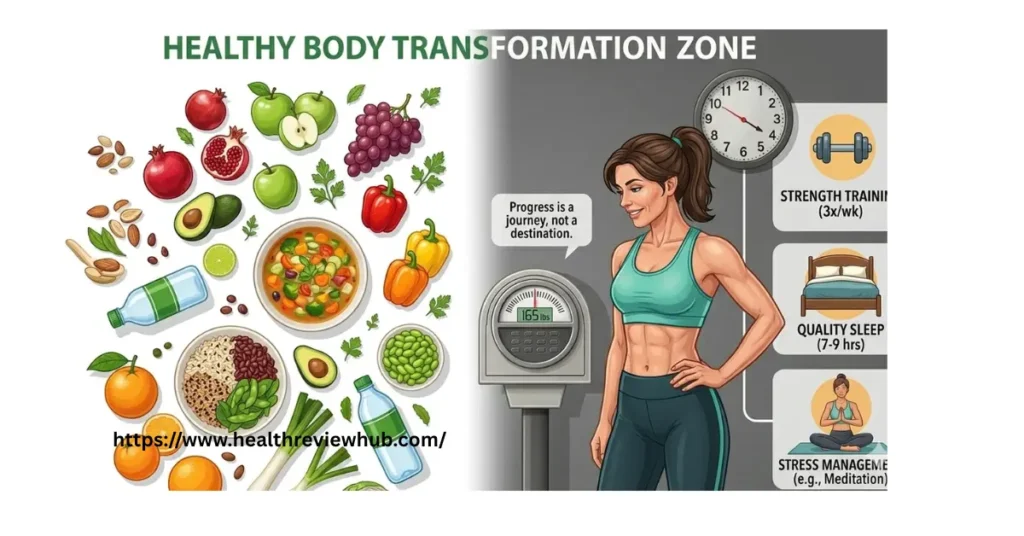
Sleep Optimization
Quality sleep regulates hunger hormones and prevents overeating.
Stress Management
Chronic stress increases cortisol levels, which promote fat storage. Practices like meditation can help.
Daily Movement
Increasing daily activity, such as walking or taking stairs, contributes significantly to calorie expenditure.
Weight Loss Benefits Table
| Benefit | Description | Long-Term Impact |
| Increased Energy | Reduced fatigue and improved stamina | Better productivity |
| Heart Health | Lower cholesterol and blood pressure | Reduced disease risk |
| Mental Well-Being | Improved mood and confidence | Enhanced quality of life |
| Metabolic Efficiency | Better calorie utilization | Sustainable fat loss |
| Improved Mobility | Easier movement and flexibility | Active lifestyle |
Sample Daily Diet Plan Table
| Meal | Example Food | Purpose |
| Morning | Lemon water + soaked almonds | Boost metabolism |
| Breakfast | Oatmeal + fruit | Energy and fiber |
| Lunch | Grilled chicken + vegetables | Balanced nutrition |
| Snack | Nuts or yogurt | Prevent cravings |
| Dinner | Soup + salad | Light digestion |
Role of Supplements in Weight Loss – Focus on Burn Peak
Weight loss supplements have gained significant attention in recent years as people look for additional support to enhance their fat loss journey. While diet and exercise remain the foundation of sustainable weight management, supplements can play a complementary role when used responsibly. They are not designed to replace healthy habits but to support metabolism, improve energy levels, and help individuals stay consistent with their fitness routines.
One such supplement that is often discussed in weight management conversations is Burn Peak, which is typically included as part of a structured fat loss strategy. Understanding how supplements like this may fit into a comprehensive weight loss plan can help individuals make informed decisions about their health and wellness goals.
How Supplements Complement Weight Loss Plans
Supplements can provide nutritional support that may be lacking in a calorie-restricted diet. During weight loss, individuals often reduce calorie intake, which can sometimes lead to decreased energy levels and nutrient gaps. Certain supplements are formulated to help maintain energy, support metabolic processes, and encourage consistency in physical activity.
However, it is important to remember that supplements are most effective when paired with balanced nutrition, regular exercise, proper sleep, and stress management. Without these lifestyle factors, the benefits of any supplement may be limited.
Points Related to Burn Peak
Below are some commonly mentioned aspects regarding the use of Burn Peak within a weight management routine:
- May Support Natural Fat Metabolism
Burn Peak is often associated with supporting the body’s natural fat-burning processes. Metabolism plays a key role in how efficiently the body converts stored fat into usable energy. When metabolic activity is optimized through lifestyle changes and supportive supplementation, individuals may find it easier to maintain a calorie deficit. - Can Help Enhance Workout Energy
Energy levels are crucial for maintaining consistency in physical activity. Some individuals report that supplements included in their routine help them feel more motivated and energized during workouts. This increased energy can contribute to better performance and longer exercise sessions, which may support overall calorie expenditure. - Often Used Alongside Calorie-Controlled Diets
A calorie-controlled diet remains one of the most effective approaches to weight loss. Supplements like Burn Peak are commonly used in combination with structured nutrition plans to help individuals stay on track. By complementing dietary strategies, they may assist in maintaining focus and routine adherence. - May Assist in Targeting Stubborn Fat Areas
Stubborn fat areas, such as the abdomen, thighs, or hips, are often challenging to address through diet and exercise alone. Some users incorporate supportive supplements into their routine as part of a broader strategy aimed at improving body composition. While results vary, consistency in lifestyle habits remains the most significant factor. - Designed to Complement Active Lifestyle Routines
Supplements are generally intended to work best when individuals maintain an active lifestyle. Regular movement, structured workouts, and healthy daily habits create a supportive environment for any weight management strategy. Incorporating supplementation into such routines can help reinforce discipline and consistency. - Sometimes Included in Comprehensive Fat Loss Strategies
Many weight loss plans combine multiple elements, including nutritional guidance, exercise programs, behavioral changes, and supportive supplementation. Burn Peak is sometimes mentioned as part of these comprehensive approaches, emphasizing that long-term success depends on a combination of factors rather than a single solution

Importance of Lifestyle Integration
To maximize potential benefits, it is essential to integrate supplementation into a holistic lifestyle plan. This includes:
- Maintaining balanced, nutrient-rich meals
- Staying physically active throughout the week
- Ensuring adequate hydration
- Managing stress effectively
- Prioritizing quality sleep
When these elements are aligned, individuals are more likely to experience sustainable and gradual progress in their weight management journey.
Safety and Professional Guidance
Before starting any weight loss supplement, including Burn Peak, it is recommended to consult a qualified healthcare professional. Individual health conditions, nutritional needs, and fitness levels can influence how the body responds to supplementation. Professional guidance helps ensure that the chosen approach aligns with personal health goals and medical history.
Pros and Cons of Weight Loss Programs
Pros
- Improves overall health and immunity
- Enhances self-confidence
- Reduces risk of chronic diseases
- Supports better physical performance
- Encourages healthier lifestyle habits
Cons
- Requires long-term commitment
- Slow progress may affect motivation
- Extreme dieting can harm metabolism
- Overtraining may lead to fatigue
- Incorrect plans may cause nutrient deficiency
Real Reviews and Experiences
Individuals who follow structured weight loss plans often report:
- Improved confidence and body image
- Increased stamina and energy levels
- Better sleep quality
- Reduced health risks
- Enhanced mental clarity
However, results vary based on consistency and lifestyle choices.
Weight Loss Timeline Table
| Time Period | Expected Changes |
| 1 Month | Initial fat loss, reduced bloating |
| 2 Months | Noticeable body composition changes |
| 3 Months | Improved endurance and metabolism |
| 6 Months | Sustainable weight stability |
Common Weight Loss Myths
Many people struggle with fat loss not because they lack motivation, but because they follow misinformation that sounds convincing yet does more harm than good. Understanding common weight loss myths can help you make smarter decisions and avoid setbacks during your journey.
Skipping Meals Speeds Fat Loss
One of the most widespread beliefs is that skipping meals will automatically reduce calorie intake and lead to faster fat loss. While it may seem logical, this approach often backfires. When you skip meals, your body may respond by slowing down metabolism to conserve energy. This can reduce the rate at which calories are burned. Additionally, prolonged hunger increases cravings and the likelihood of overeating later in the day, especially high-calorie or unhealthy foods. Instead of skipping meals, it is more effective to focus on balanced portions and regular eating patterns that stabilize blood sugar and support consistent energy levels.
Carbohydrates Always Cause Weight Gain
Carbohydrates are often unfairly blamed for weight gain, leading many people to eliminate them completely. In reality, carbs are a primary source of energy for the body and play a crucial role in brain function, muscle performance, and overall metabolism. The real issue lies with refined carbohydrates such as sugary snacks, white bread, and processed foods, which can contribute to excess calorie intake and fat storage. Whole carbohydrates like fruits, vegetables, oats, and whole grains provide essential nutrients and fiber that support healthy digestion and satiety. Moderation and quality matter more than complete elimination.
Supplements Alone Burn Fat
Another common misconception is that taking weight loss supplements will lead to effortless fat reduction. While certain supplements may support metabolism or energy levels, they cannot replace the benefits of a balanced diet, regular exercise, and healthy lifestyle habits. Sustainable weight loss requires consistent effort, including proper nutrition, physical activity, adequate sleep, and stress management. Supplements should be viewed as supportive tools rather than primary solutions for achieving long-term results.
Long-Term Weight Maintenance Tips
Maintaining weight loss is often more challenging than losing weight itself. After reaching your desired body weight, it is essential to adopt sustainable habits that prevent regain and support long-term health. Successful weight maintenance depends on consistency, awareness, and a balanced lifestyle approach.
Maintain Balanced Nutrition Habits
Continuing healthy eating patterns is crucial for keeping weight stable. Instead of returning to old dietary habits, focus on consuming balanced meals that include protein, fiber, healthy fats, and complex carbohydrates. Portion control and mindful eating can help prevent unnecessary calorie intake. Occasional treats are fine, but maintaining overall nutritional balance ensures long-term success.
Continue Regular Physical Activity
Physical activity should remain a part of your routine even after achieving weight loss goals. Regular exercise helps maintain muscle mass, supports metabolism, and prevents fat accumulation. Aim for a combination of strength training, cardio workouts, and daily movement such as walking or cycling. Consistency in physical activity not only helps maintain weight but also improves overall fitness and energy levels.
Monitor Weight Periodically
Tracking your weight on a weekly or monthly basis helps you stay aware of small changes before they become significant. Monitoring progress allows you to make timely adjustments in diet or activity levels if needed. Instead of obsessing over daily fluctuations, focus on long-term trends to maintain a healthy balance.
Avoid Returning to Unhealthy Routines
Old habits such as overeating, excessive sugar consumption, and sedentary behavior can quickly lead to weight regain. Staying mindful of these patterns and replacing them with healthier alternatives helps sustain results. Building a structured daily routine with consistent meal timing and activity supports long-term stability.
Focus on Mental and Physical Well-Being
Weight maintenance is closely connected to emotional health. Managing stress, getting adequate sleep, and maintaining a positive mindset are essential for preventing emotional eating and burnout. A holistic approach that supports both mental and physical well-being ensures lasting weight stability and improved quality of life.
Frequently Asked Questions (FAQ)
How fast can I lose weight safely?
Safe and sustainable weight loss typically ranges between 0.5 to 1 kilogram per week. This gradual approach allows your body to adapt to lifestyle changes without causing stress or nutritional deficiencies. Rapid weight loss methods, such as extreme dieting or overexercising, may lead to muscle loss, fatigue, and metabolic slowdown. Focusing on steady progress helps maintain results over the long term and supports overall health.
Is exercise necessary for weight loss?
While nutrition plays a major role in creating a calorie deficit, physical activity significantly enhances fat loss and improves overall fitness. Exercise helps burn additional calories, strengthens muscles, boosts metabolism, and supports heart health. Combining cardio activities with strength training is considered one of the most effective strategies for achieving balanced and sustainable weight loss.
Can supplements replace diet and exercise?
No, supplements cannot replace healthy eating and regular physical activity. They may provide support by improving energy levels or metabolism, but lasting fat loss requires consistent lifestyle changes. Relying solely on supplements without addressing diet and activity habits often leads to temporary or minimal results.
Why do weight loss plateaus occur?
Weight loss plateaus happen when the body adapts to reduced calorie intake and increased physical activity. As you lose weight, your metabolism may slow down, making it harder to continue losing fat at the same rate. Adjusting calorie intake, changing workout intensity, or incorporating new fitness routines can help overcome these plateaus and restart progress.
Is intermittent fasting effective?
Intermittent fasting can be effective for many individuals because it helps control calorie intake and may improve metabolic efficiency. By limiting eating windows, some people find it easier to maintain a calorie deficit. However, its effectiveness varies depending on lifestyle, consistency, and individual health conditions.
Final Thoughts
Weight loss is not a temporary challenge but a lifelong commitment to healthier habits. By focusing on balanced nutrition, regular exercise, adequate sleep, and stress management, you can achieve sustainable fat loss and improved overall well-being.
Supportive tools such as structured fitness plans, nutritional guidance, and carefully selected supplements may enhance results when used responsibly. The ultimate goal is to create a lifestyle that promotes long-term health and vitality rather than short-term changes.