




Losing 20 pounds in a month is an ambitious goal that requires discipline, consistency, and a structured strategy. While rapid Fat loss is possible for some individuals, it must be approached carefully to avoid health risks. This comprehensive guide explains scientifically supported methods, dietary strategies, exercise routines, ingredients that support fat loss, and lifestyle changes that can help accelerate results while maintaining safety.
Can You Really Lose 20 Pounds in One Month?
- Losing 20 pounds in one month is an aggressive goal, but it can be possible for some individuals, particularly those who begin with a higher body weight or a significant amount of excess body fat. However, it is important to understand that this level of rapid weight reduction does not come solely from fat loss. A large portion of early Fat loss often includes water weight and the depletion of glycogen stores — the body’s stored form of carbohydrates. When carbohydrate intake is reduced, the body releases stored glycogen along with water, leading to noticeable changes on the scale within a short time.
- From a health perspective, experts generally recommend aiming for a safer and more sustainable rate of fat loss. A realistic target is typically around 2–5 pounds per week, which translates to approximately 8–15 pounds of fat loss per month. This approach helps preserve muscle mass, maintain metabolic balance, and reduce the likelihood of regaining weight quickly after the initial loss.
- For those attempting to approach the 20-pound milestone within a month, success usually depends on combining several structured strategies. These often include maintaining a significant calorie deficit, following a low-carbohydrate and high-protein diet, engaging in regular high-intensity workouts, and implementing water balance techniques such as reducing sodium intake and staying well-hydrated. While these methods can accelerate short-term results, they should be practiced responsibly and ideally under professional guidance. Ultimately, sustainable lifestyle habits remain the key to long-term weight management and overall health.
Science Behind Rapid Fat loss
- Rapid Fat loss is primarily driven by the fundamental principle of energy balance. The body loses weight when calories burned exceed calories consumed, creating what is known as a calorie deficit. When this deficit is sustained, the body begins to use stored energy sources, including glycogen and body fat, to meet its daily energy needs. Over time, this process leads to a reduction in overall body weight.
- However, rapid fat loss is not determined by calorie deficit alone. Several biological and lifestyle factors play a crucial role in how quickly and efficiently the body responds to Fat loss efforts. One of the most significant factors is the basal metabolic rate (BMR), which represents the number of calories the body burns at rest to maintain vital functions such as breathing, circulation, and cell repair. Individuals with a higher BMR tend to burn more calories naturally, making it easier to lose weight faster.
- Hormonal balance is another critical component. Hormones such as insulin, cortisol, leptin, and ghrelin influence appetite, fat storage, and energy expenditure. Disruptions in hormonal regulation can slow down fat loss or increase cravings, making weight management more challenging.
- In addition, physical activity levels greatly impact rapid Fat loss. Regular exercise increases calorie expenditure, improves muscle mass, and boosts metabolic efficiency. The composition of the diet also matters, as nutrient-dense foods that are high in protein and fiber can enhance satiety and support fat metabolism.
- Furthermore, sleep quality and stress levels significantly influence Fat loss outcomes. Poor sleep and chronic stress can elevate cortisol levels, which may promote fat storage and reduce metabolic efficiency. Therefore, achieving rapid yet sustainable Fat loss requires a balanced approach that addresses both physiological and lifestyle factors.
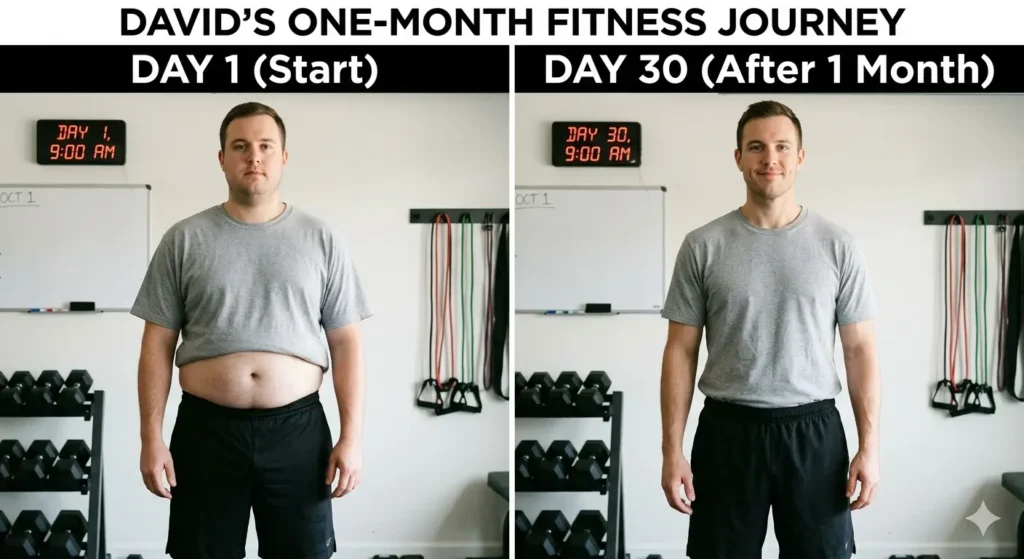
Step-by-Step Plan to Lose 20 Pounds
Achieving rapid Fat loss requires a structured and disciplined approach. Below is a practical step-by-step plan presented in clear points to help support accelerated fat reduction while maintaining overall health.
1. Create a Large Calorie Deficit
- To target significant monthly Fat loss, an aggressive calorie deficit is required.
- Aim for a daily deficit of approximately 1500–2000 calories, depending on body type and activity level.
- This level of deficit may support a weekly fat loss potential of 4–6 pounds in certain individuals.
- Practical ways to create this deficit include:
- Reduce intake of processed and high-calorie packaged foods.
- Eliminate sugary drinks such as sodas, sweetened coffee, and energy beverages.
- Focus on high-protein meals to increase satiety and reduce overeating.
- Increase overall physical activity to burn additional calories.
2. Follow a High-Protein, Low-Carb Diet
- Protein plays a key role in preserving lean muscle mass during Fat loss.
- It also helps boost metabolism and reduce hunger cravings, making it easier to maintain a calorie deficit.
- A balanced macronutrient distribution may include:
- Protein: 40%
- Healthy fats: 35%
- Carbohydrates: 25%
- Low-carbohydrate eating patterns can help reduce water retention and insulin spikes, leading to faster initial weight reduction.
3. Perform High-Intensity Workouts
- Exercise accelerates fat burning and improves metabolic efficiency.
- Effective workout methods include:
- High-Intensity Interval Training (HIIT)
- Strength and resistance training
- Fasted cardio sessions
- Full-body circuit workouts
- Recommended frequency:
- 5–6 workout days per week
- Sessions lasting 45–90 minutes daily
4. Increase Daily Movement (NEAT)
- Non-exercise activity thermogenesis (NEAT) significantly impacts total calorie burn.
- Simple habits that increase movement include:
- Walking 10,000–15,000 steps daily
- Choosing stairs instead of elevators
- Staying physically active throughout the day
5. Optimize Sleep and Stress Management
- Poor sleep can increase cortisol levels, which may promote fat storage.
- To support fat loss:
- Aim for 7–9 hours of quality sleep each night
- Practice stress-reduction techniques such as meditation or deep breathing
- Reduce screen exposure before bedtime to improve sleep quality
Following these structured steps consistently can help accelerate fat loss while supporting long-term health and metabolic balance.
Burn Slim – Natural Fat loss Supplement Guide
Maintaining a healthy weight can be challenging in today’s fast-paced lifestyle. Busy schedules, poor eating habits, lack of physical activity, and stress often lead to gradual weight gain. Many individuals look for supportive solutions that can complement their fitness routines and balanced nutrition. This is where Burn Slim, a natural Fat loss supplement, is designed to play a supportive role in weight management and fat metabolism.
Burn Slim is formulated to help the body improve its natural fat-burning processes while supporting energy levels and appetite control. Instead of relying on harsh stimulants, it focuses on plant-based ingredients that work in harmony with the body’s metabolism. When used alongside healthy lifestyle practices, Burn Slim may help individuals move toward their Fat loss goals more consistently.
How Burn Slim Supports Fat loss
Weight management involves multiple factors including metabolism, calorie intake, hormonal balance, and activity levels. Burn Slim is designed to support these aspects through a balanced blend of natural compounds.
One key focus is metabolic support. A healthy metabolism helps the body convert stored fat into usable energy more efficiently. Another important aspect is appetite regulation, as controlling cravings can make it easier to maintain a calorie deficit. Burn Slim may also contribute to energy balance, helping users stay active and motivated throughout the day.
Additionally, maintaining consistent energy levels can improve workout performance and daily productivity, both of which play a role in sustainable weight management.
Key Ingredients in Burn Slim
Burn Slim includes a combination of plant-based compounds commonly associated with weight management support.
Green Tea Extract – Known for its antioxidant properties and potential role in supporting fat metabolism and thermogenesis.
Garcinia Cambogia – Often used in weight management supplements to help reduce appetite and support fat storage regulation.
Caffeine (Natural Source) – Helps enhance energy levels, improve focus, and support calorie burning during physical activity.
L-Carnitine – Plays a role in transporting fatty acids to be used as energy, which may support fat utilization.
Apple Cider Vinegar Extract – Commonly associated with appetite control and improved digestion.
These ingredients are typically chosen to create a balanced formula that supports weight management without extreme stimulation.
Benefits of Burn Slim
- Supports natural fat metabolism
- Helps control appetite and reduce cravings
- Promotes sustained energy levels
- Encourages improved workout performance
- Supports healthy digestion
- Complements balanced nutrition and active lifestyles
- May contribute to gradual and sustainable weight management
When combined with healthy habits, these benefits can help individuals stay consistent in their Fat loss journey.
How to Use Burn Slim
For best results, Burn Slim should be taken according to the recommended serving guidelines provided on its packaging or by a healthcare professional.
General usage tips include:
- Take the supplement regularly at the same time each day
- Combine with a balanced diet rich in nutrients
- Stay hydrated throughout the day
- Engage in regular physical activity
- Maintain consistent sleep patterns
Consistency is essential, as natural supplements often provide gradual support rather than immediate changes.
Lifestyle Factors That Enhance Results
While supplements can provide support, long-term success in weight management depends on overall lifestyle choices. Incorporating healthy habits such as mindful eating, regular movement, stress management, and adequate rest can amplify the benefits of Burn Slim.
A holistic approach ensures that Fat loss is not only effective but also sustainable. By focusing on gradual progress and balanced routines, individuals can maintain healthier outcomes over time.
Powerful Fat Loss Ingredients That Support Results
While a structured diet and consistent exercise remain the foundation of effective Fat loss, certain natural compounds may help support fat-burning processes and improve metabolic efficiency. These ingredients are commonly included in nutrition plans or supplements aimed at enhancing fat loss results when combined with healthy lifestyle habits.
Green Tea Extract
Green tea extract is widely recognized for its role in supporting fat metabolism. It contains powerful antioxidants known as catechins, particularly EGCG (epigallocatechin gallate), which may help stimulate thermogenesis. Thermogenesis is the process through which the body generates heat by burning calories. This can contribute to increased fat oxidation, especially when paired with physical activity. Additionally, green tea extract may support energy balance and help maintain metabolic efficiency during calorie restriction.
Apple Cider Vinegar
Apple cider vinegar has gained popularity as a natural aid for appetite control and digestion support. Its acetic acid content may help regulate blood sugar levels and promote feelings of fullness after meals. This can reduce overall calorie intake throughout the day. Furthermore, improved digestion and gut health can contribute to better nutrient absorption and metabolic functioning, both of which are important for sustainable weight management.
Caffeine
Caffeine is a well-known stimulant that may enhance physical performance and increase calorie expenditure. By stimulating the central nervous system, caffeine can improve alertness and endurance during workouts, allowing individuals to train harder and burn more calories. It also supports metabolic rate by increasing energy expenditure and promoting fat mobilization. However, caffeine intake should be balanced to avoid sleep disturbances or excessive nervousness.
L-Carnitine
L-Carnitine plays a role in energy production by helping transport fatty acids into the mitochondria, where they are converted into usable energy. This process can support fat utilization during physical activity and may help improve endurance performance. While it is not a standalone Fat loss solution, L-Carnitine may contribute to overall fat metabolism when combined with a calorie-controlled diet and regular exercise routine.
Garcinia Cambogia
Garcinia Cambogia is often associated with appetite regulation and fat storage management. It contains hydroxycitric acid (HCA), which may help inhibit enzymes involved in fat synthesis. Additionally, it may support satiety signals in the brain, helping individuals maintain better control over food intake. As with other ingredients, its effectiveness depends largely on lifestyle consistency and dietary habits.
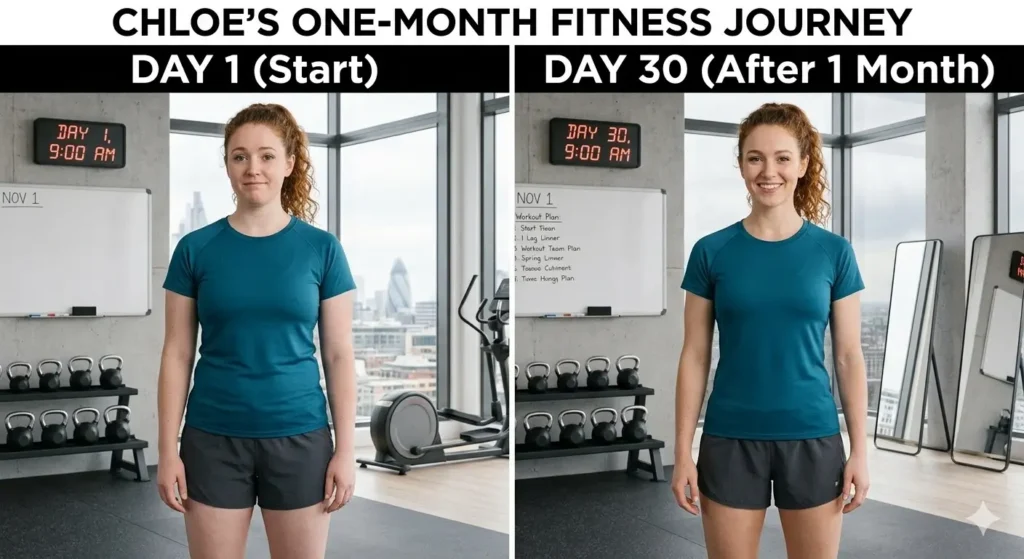
Sample 7-Day Fat Loss Meal Plan
A balanced and nutrient-dense meal plan supports fat loss while preserving muscle mass and maintaining energy levels. The following structure provides simple meal ideas that can be rotated throughout the week.
Breakfast Options
- Scrambled eggs with spinach and whole-grain toast
- Protein smoothie with berries, protein powder, and almond milk
Lunch Options
- Grilled chicken breast served with mixed green salad and olive oil dressing
- Tuna mixed with avocado, cucumber, and leafy greens
Dinner Options
- Baked salmon with steamed vegetables such as broccoli and carrots
- Lean beef stir-fried with broccoli and bell peppers
Healthy Snack Choices
- A handful of mixed nuts for healthy fats and satiety
- Greek yogurt with seeds or fresh fruit for protein support
This type of structured meal approach helps maintain a calorie deficit while ensuring adequate intake of essential nutrients. Consistency in meal timing, portion control, and hydration can significantly improve fat loss outcomes over time.
Best Workout Plan for Losing 20 Pounds
| Day | Workout Type | Duration |
| Monday | HIIT + Strength | 60 min |
| Tuesday | Cardio + Core | 50 min |
| Wednesday | Strength Training | 70 min |
| Thursday | HIIT + Cardio | 60 min |
| Friday | Full Body Workout | 75 min |
| Saturday | Active Recovery | 40 min |
| Sunday | Rest | — |
Benefits of Losing Weight Quickly
Losing weight at a faster pace can provide noticeable physical and psychological advantages, especially for individuals dealing with obesity or weight-related health conditions. When done responsibly and under proper guidance, rapid Fat loss may help initiate positive lifestyle changes and improve overall well-being.
- Improved Cardiovascular Health
One of the most significant benefits of losing excess weight quickly is improved heart health. Carrying extra body fat can place strain on the cardiovascular system, increasing the risk of high blood pressure, elevated cholesterol levels, and heart disease. Reducing weight can help lower these risk factors by improving blood circulation, reducing arterial stiffness, and supporting healthier lipid profiles. Even a modest reduction in body weight may contribute to better heart function and reduced cardiovascular stress.
- Better Insulin Sensitivity
Rapid weight reduction can enhance the body’s ability to regulate blood sugar levels. Excess body fat, particularly around the abdomen, is closely linked to insulin resistance. When weight decreases, the body often becomes more responsive to insulin, allowing glucose to be utilized more efficiently. This improvement may help reduce the risk of developing type 2 diabetes and support overall metabolic balance.
- Increased Energy Levels
Many individuals report feeling more energetic after losing weight. Reduced body mass can decrease the effort required for daily activities, leading to improved stamina and mobility. Additionally, healthier dietary habits and increased physical activity often accompany Fat loss efforts, further contributing to sustained energy levels and better overall productivity.
- Enhanced Self-Confidence
Fat loss can positively influence mental and emotional well-being. Achieving noticeable changes in physical appearance may boost self-esteem, motivation, and confidence. This psychological uplift often encourages individuals to maintain healthier habits, pursue fitness goals, and engage more actively in social or professional environments.
- Reduced Joint Stress
Excess body weight places additional pressure on joints, particularly in areas such as the knees, hips, and lower back. Rapid Fat loss can alleviate this stress, potentially reducing discomfort and improving mobility. This can be especially beneficial for individuals experiencing joint pain or conditions such as osteoarthritis, as decreased load on the joints may enhance overall physical function.
- Better Sleep Quality
Fat loss can contribute to improved sleep patterns and reduced risk of sleep-related disorders. Conditions such as sleep apnea are often associated with excess weight, and reducing body fat may help improve breathing during sleep. Better sleep quality supports recovery, hormonal balance, and overall health, reinforcing the positive effects of Fat loss.

Risks of Losing Weight Too Fast
While rapid Fat loss can offer benefits, it is essential to consider potential risks associated with aggressive dieting or extreme calorie restriction.
- Muscle Loss
When the body experiences a severe calorie deficit, it may begin to break down muscle tissue for energy. Loss of lean muscle mass can slow metabolism, reduce strength, and negatively impact long-term weight maintenance.
- Nutrient Deficiency
Restrictive diets may limit the intake of essential vitamins and minerals, leading to nutritional imbalances. Over time, deficiencies can affect immune function, bone health, and overall physiological processes.
- Fatigue and Low Energy
Rapid Fat loss can sometimes result in persistent tiredness or reduced endurance. Insufficient caloric intake may limit the body’s ability to sustain physical and mental performance, affecting daily activities and exercise routines.
- Hormonal Imbalance
Extreme dieting may disrupt hormonal regulation, particularly hormones related to metabolism, appetite, and stress. This imbalance can influence mood, reproductive health, and metabolic efficiency.
- Rebound Weight Gain
One of the most common risks of losing weight too quickly is regaining it after returning to normal eating habits. Rapid Fat loss may not always promote sustainable lifestyle changes, making it more likely for individuals to experience weight cycling.
Balancing the benefits and risks of rapid Fat loss requires a thoughtful and structured approach. Gradual habit changes, adequate nutrition, and consistent physical activity can help ensure that weight reduction supports long-term health and well-being.
Comparison Table: Fast vs Gradual Fat loss
| Factor | Fast Fat loss | Gradual Fat loss |
| Speed | High | Moderate |
| Sustainability | Low-Moderate | High |
| Muscle Preservation | Lower | Higher |
| Metabolic Impact | Stressful | Balanced |
| Risk Level | Higher | Lower |
| Motivation | Quick Results | Long-Term Stability |
How to Maintain Weight After Losing 20 Pounds
- Increase calories slowly
- Continue strength training
- Track body composition
- Maintain protein intake
- Avoid returning to old habits
Psychological Strategy for Rapid Fat Loss
Mindset plays a critical role:
- Set clear goals
- Track progress weekly
- Stay disciplined
- Avoid emotional eating
- Build accountability
Realistic Fat Loss Timeline
Week 1: Water Fat loss
Week 2: Fat burning increases
Week 3: Visible body changes
Week 4: Significant weight reduction
Frequently Asked Questions
Q1. Is it safe to lose 20 pounds in a month?
It can be safe for overweight individuals under proper supervision.
Q2. How many calories should I eat daily?
Typically 1200–1500 calories depending on body type.
Q3. Can supplements help?
They may support metabolism but cannot replace diet and exercise.
Q4. Will I regain weight after losing it?
Yes, if healthy habits are not maintained.
Q5. What is the fastest fat burning exercise?
HIIT training is among the most effective.
Q6. Should I cut carbs completely?
Not necessary, but reducing refined carbs helps.
Q7. How important is hydration?
Very important for metabolism and fat breakdown.
Final Conclusion
Losing 20 pounds in one month requires dedication, structured planning, and lifestyle adjustments. While aggressive fat loss methods can produce rapid results, sustainability and overall health should remain priorities.
Combining calorie deficit, high-protein diet, intensive exercise, sleep optimization, and natural fat-supporting ingredients can help achieve significant Fat loss within a short period.
The ultimate goal should not just be rapid transformation but also long-term health, confidence, and metabolic balance.