
Introduction
Losing weight the healthy way is something more and more people are thinking about — and for good reason. With obesity rates climbing across the world, people are looking for solutions that actually work and don’t just fade out after a few weeks.
That’s where GLP -1 comes in. It’s one of the biggest buzzwords in weight management right now, and it’s popping up everywhere — from doctor’s offices to social media.
So what is GLP – 1, exactly? And does it really live up to the hype when it comes to shedding pounds? Let’s break down what the science says, so you can decide what’s right for your own health journey.
Editorial Policy
At Health Review Hub, accuracy and balance aren’t optional — they’re the foundation of everything we publish. Every piece of content is grounded in research and written with one goal in mind: helping readers understand the facts so they can make informed decisions for themselves, not chasing hype or unrealistic promises.
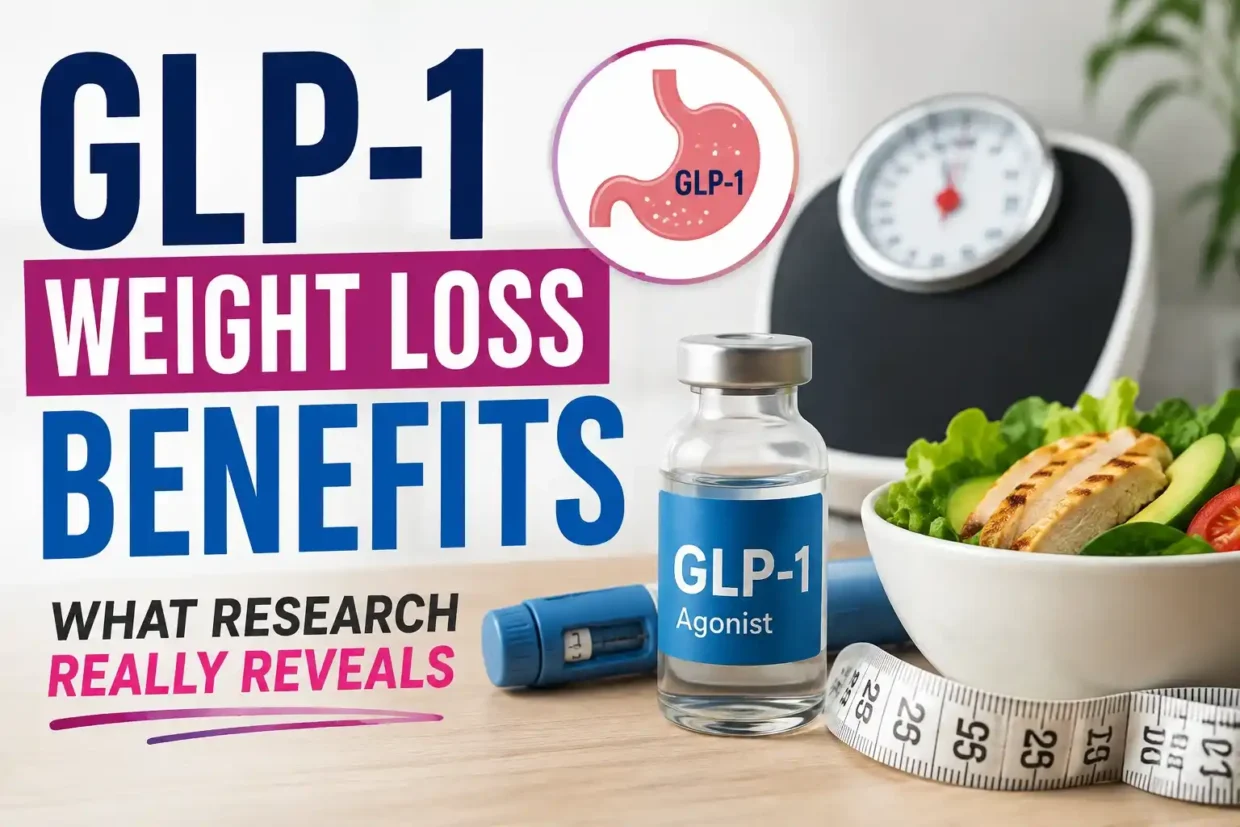
What is GLP – 1 ?
GLP – 1 (short for glucagon-like peptide-1) is a hormone your body makes naturally — right in your intestines, every time you eat. Its main job? Keeping blood sugar steady, controlling appetite, and helping digestion run smoothly.
Here’s how it works: the moment food hits your digestive system, GLP-1 for weight loss kicks in and tells your pancreas to start releasing insulin — which helps your body process glucose the way it should.
But that’s not all. Scientists have found that GLP-1 also talks directly to the parts of your brain that control hunger and fullness. In simple terms, it can make you feel satisfied faster and curb overeating — which is exactly why it’s linked to better weight management.
GLP – 1 Weight Loss Benefits
So what does this actually mean for someone trying to lose weight? Turns out, quite a lot. Here’s a look at the biggest benefits people are experiencing:
1. Reduced Appetite
By acting on hunger signals in the brain, GLP – 1 can help you feel less hungry throughout the day — making it easier to eat smaller portions without constantly fighting cravings.
2. Longer-Lasting Fullness
GLP – 1 slows down how quickly food leaves your stomach. That means you stay fuller for longer after meals, which naturally cuts down on snacking and overeating.
3. Better Blood Sugar Control
Since GLP-1 helps regulate insulin release, it can support steadier blood sugar levels — reducing the energy crashes and sugar cravings that often lead to extra calorie intake.
4. Support for Sustainable Habits
Unlike quick-fix diets, GLP-1’s effects work with your body’s natural systems, which may make it easier to stick with healthier eating patterns over time instead of yo-yo dieting.
5. Potential Metabolic Benefits
Some research suggests GLP – 1 may also play a role in how the body uses energy, which could support overall metabolic health alongside weight loss.
🔥 See If GLP-1 Is Right For You
Can GLP – 1 Support Weight Management?
Clinical studies have shown that GLP – 1 can play a real role in helping people manage their weight — not as a magic fix, but as a tool that works alongside the body’s own hunger and metabolism signals. Because it targets appetite regulation, digestion speed, and blood sugar control all at once, it addresses several of the underlying factors that make weight loss difficult in the first place.
That said, GLP – 1 isn’t a standalone solution. Most of the meaningful results researchers have documented come from combining it with consistent lifestyle habits — a balanced diet, regular movement, and better sleep and stress management. Think of it less like a shortcut and more like giving your body a head start.
What The Science Actually Says About GLP – 1 and Shedding Pounds

Over the last ten years, interest in GLP – 1 from the scientific community has grown massively. Study after study has dug into how activating GLP – 1 receptors in the body might influence weight.
One thing keeps showing up in the data: people using GLP-1-based approaches tend to lose more weight than those on a placebo. That consistent pattern is exactly why GLP – 1 has become such a talked-about option — especially when it’s paired with genuinely healthy habits rather than used on its own.
A closer look across multiple clinical trials backs this up further, showing that GLP – 1-related approaches were tied to real, noticeable drops in body weight over time. People in these studies commonly reported feeling less hungry, eating smaller portions naturally, and feeling more satisfied after meals — not forcing themselves to eat less, but simply wanting less.
That said, scientists are careful to note that results aren’t identical for everyone. How much someone benefits can depend on a mix of things — what they’re eating, how active they are, how well they’re sleeping, their stress levels, and their overall health going in.
👉 Check Availability Near You
Why Lifestyle Habits Still Matter, Even With GLP – 1 Support
- GLP – 1 gives your body a helpful nudge, but it isn’t a stand-alone fix — daily habits still drive the real, lasting results.
- A balanced diet helps GLP – 1 work more effectively, since the hormone works together with what and how much you eat.
- Staying physically active supports metabolism and helps keep lost weight off instead of letting it creep back.
- Quality sleep helps regulate hunger hormones, making cravings easier to manage.
- Lower stress levels reduce emotional eating and support steadier appetite control.
- GLP – 1 works best as part of a bigger picture — a boost alongside healthy habits, not a replacement for them.
Key Statistics at a Glance
- 587% jump — that’s how much GLP – 1 usage rose for overweight and obesity treatment between 2019 and 2024, according to a FAIR Health study
- Around 15% body weight lost on average over about 68 weeks with semaglutide (Wegovy) in adults without diabetes, based on Phase 3 trial results.
- 15–21% weight loss range seen with tirzepatide (Zepbound) across different dose levels in Phase 3 trials.
- Roughly half of users stop within a year — about 50% of adults who begin GLP – 1 medications discontinue them in the first 12 months, most often due to gastrointestinal side effects, high cost, or insurance hurdles.
- Nearly two-thirds of lost weight returns — on average, about 2/3 of the weight lost was regained within a year of stopping semaglutide, according to the STEP 1 trial extension.
GLP – 1 vs. Traditional Weight-Loss Approaches
| Factor | GLP-1-Based Treatment | Traditional Weight-Loss Approaches |
|---|---|---|
| Primary Approach | Uses GLP-1-related medicines to influence appetite, food intake, and metabolic processes. | Relies mainly on calorie control, healthy eating, physical activity, and lifestyle changes. |
| Appetite Control | Can reduce hunger and increase feelings of fullness for many people. | Appetite control depends largely on eating habits, meal planning, protein/fiber intake, and behavioral strategies. |
| Food Intake | Reduced appetite may make it easier to consume fewer calories. | Usually requires conscious portion control and calorie management. |
| Exercise | Still important for maintaining muscle, fitness, and overall health. | Often a central component of the weight-management strategy. |
| Diet | A balanced diet remains important for adequate nutrition and sustainable results. | Usually focuses strongly on nutritious foods, portion sizes, and calorie balance. |
| Results | Clinical studies have found significant weight loss with certain GLP-1 medicines when used as prescribed. | Results vary considerably depending on adherence, diet, activity, and individual factors. |
| Long-Term Management | Continued treatment may be needed for some people to maintain benefits. | Long-term success generally depends on maintaining sustainable lifestyle habits. |
| Medical Supervision | Should be used under guidance from a qualified healthcare professional. | Many approaches can be started independently, although professional guidance can be helpful. |
| Side Effects/Risks | Can cause side effects, particularly gastrointestinal symptoms; suitability varies by individual. | Generally lower medication-related risk, but overly restrictive diets or excessive exercise can create problems. |
| Best For | People who may benefit medically from prescription weight-management treatment. | People looking to improve weight and health through sustainable lifestyle habits. |
| Overall Approach | Medical + lifestyle approach | Lifestyle-focused approach |
What Happens After Stopping GLP – 1 Treatment?
It’s a question a lot of people don’t think about until they’re already asking it — what happens once you stop taking GLP – 1? The honest answer: for many people, some of the weight tends to come back.
Research backs this up. In the STEP 1 trial extension, participants regained close to two-thirds of their lost weight within a year of stopping semaglutide. That’s because GLP – 1 doesn’t “cure” the underlying appetite and metabolic signals — it works by actively managing them. Once the medication stops, those signals often shift back toward where they were before.
A few reasons this tends to happen:
- Appetite rebounds — without GLP-1 suppressing hunger signals, cravings and portion sizes often creep back up
- Metabolic adaptation — the body can adjust to the changes made during treatment, sometimes slowing progress once it’s removed
- Habits weren’t fully locked in — if lifestyle changes weren’t deeply established during treatment, it’s easier to slide back into old patterns
This doesn’t mean stopping GLP – 1 guarantees weight regain — people who’ve built strong nutrition and activity habits alongside treatment tend to hold onto more of their results. But it does reinforce why GLP – 1 works best as part of a bigger, sustainable plan rather than a quick fix on its own.
⚡ Start Your Weight Loss Journey Today
Is GLP – 1 Therapy Right for You? Key Considerations to Know
Before jumping into any GLP – 1 treatment, it’s worth pausing to think through whether it actually fits your situation. Here’s what’s worth weighing:
- Your current health profile — existing conditions, medications, and overall health history all play a role in whether GLP-1 is a safe, suitable option
- Your weight loss goals — GLP-1 tends to work best for people looking for meaningful, sustained support, not a quick short-term fix
- Your tolerance for side effects — gastrointestinal issues like nausea are common, especially early on, so it’s worth considering how your body typically handles new treatments
- Cost and accessibility — with insurance coverage varying widely, the ongoing cost is a real factor for many people and worth researching upfront
- Your commitment to lifestyle changes — since GLP-1 works best alongside diet, activity, and sleep habits, it’s worth being honest about your readiness to build those habits too
- Long-term plan — since weight regain is common after stopping, it helps to think ahead about what happens once treatment ends, not just the results while you’re on it
At the end of the day, this isn’t a decision to make alone. A conversation with a healthcare provider who knows your full health picture is the best way to figure out if GLP-1 makes sense for you specifically.
Who May Not Be a Good Candidate for GLP-1 Treatment?
GLP-1 isn’t the right fit for everyone, and knowing who should be more cautious — or avoid it altogether — is just as important as knowing who it might help. Here’s a general look:
- People with a personal or family history of certain thyroid cancers — particularly medullary thyroid carcinoma, which is often flagged as a key concern with this class of treatment
- Those with a history of pancreatitis — since GLP-1 can affect the pancreas, prior pancreatitis is generally considered a reason for extra caution
- People with severe gastrointestinal conditions — those with significant digestive disorders may find GLP-1’s effects on digestion harder to tolerate
- Pregnant or breastfeeding individuals — GLP-1 treatments are generally not recommended during pregnancy or while nursing
- People with a history of eating disorders — since GLP-1 significantly affects appetite and eating patterns, this requires careful medical guidance
- Those looking for a short-term or minor weight adjustment — GLP-1 is generally intended for more significant, sustained weight management needs, not small cosmetic goals
- Anyone with known allergies or sensitivities to GLP-1 medication components — a standard but important consideration before starting any new treatment
Are GLP-1 Treatments a Magic Solution for Weight Loss?
As promising as the research around GLP-1 is, experts are clear about one thing: no single approach should be treated as a quick fix. Real, lasting weight management almost always comes down to a mix of factors working together — eating well, staying active, getting enough sleep, managing stress, and making changes that actually stick long-term.
GLP-1-based approaches can offer valuable extra support for some people, but they work best as one piece of a much bigger health plan, not a standalone solution. At the end of the day, long-term success comes down to building habits you can realistically maintain — not just for a few months, but for good.
Natural Strategies That May Support GLP-1 Activity
Natural Strategies That May Support GLP-1 Activity
Beyond medication, there are everyday habits that may naturally help support your body’s own GLP-1 activity. Here’s what research points to:
- Prioritize protein-rich meals — protein has been shown to naturally stimulate GLP-1 release more than carbs or fats, helping support fullness after eating
- Add more fiber to your plate — fiber-rich foods like vegetables, legumes, and whole grains slow digestion, which may help support healthy GLP-1 activity
- Include healthy fats in moderation — foods like olive oil, nuts, and avocados may play a supportive role in appetite-regulating hormone signals
- Stay consistent with meal timing — regular eating patterns may help support more stable hormone activity throughout the day
- Get quality sleep — poor sleep has been linked to disrupted hunger hormones, which can work against the body’s natural GLP-1 signaling
- Stay physically active — regular movement, especially a mix of cardio and strength training, may support better metabolic and hormone function overall
- Manage stress levels — chronically high stress can throw off appetite-related hormones, so stress-reduction habits may indirectly support GLP-1 activity
Potential Considerations
Before considering GLP-1 as part of a weight management plan, it’s worth understanding the full picture, not just the results. Side effects are fairly common, especially in the early stages of treatment, with nausea and other digestive discomfort being among the most frequently reported. Cost is another major factor — without solid insurance coverage, these medications can get expensive to maintain over time, which shapes how accessible they realistically are for a lot of people.
Results also aren’t the same for everyone. Genetics, existing health conditions, and everyday lifestyle habits all influence how well someone responds, which is why outcomes can vary so much from person to person. It’s also important to understand that GLP-1 isn’t a one-and-done treatment — its benefits are tied to continued use, and effects tend to fade once treatment stops. On top of that, it simply isn’t the right fit for everyone; certain health conditions and personal history can make it unsuitable, which is exactly why proper medical evaluation matters before starting.
Frequently Asked Questions
Does GLP-1 actually help you lose weight?
- Yes — GLP-1 can support weight loss by curbing appetite and helping you stay full for longer. Research suggests it works best as an effective tool for weight management when it’s paired with a healthy diet and regular exercise, rather than used on its own.
What’s the biggest side effect of GLP-1?
- Nausea tends to be the most common issue, especially when first starting treatment or increasing the dose. Some people also experience vomiting, diarrhea, or general stomach discomfort as their body adjusts to the medication.
Are there natural ways to support GLP-1 production?
- Yes — habits like eating more protein, upping your fiber intake, staying physically active, prioritizing good sleep, and supporting gut health may all help encourage your body’s natural GLP-1 activity.
Is GLP-1 safe for long-term use?
- Current research suggests GLP-1 medications can be safe for long-term use when prescribed and properly monitored by a healthcare provider. That said, long-term safety can differ from person to person, which is why regular medical follow-up matters.
What does GLP-1 actually do in the body?
- GLP-1 is a natural hormone that helps regulate blood sugar, supports insulin release, slows down digestion, and promotes that feeling of fullness after meals.
Final Verdict: What You Should Know About GLP-1
The clinical research behind GLP-1 weight loss is genuinely impressive — arguably some of the strongest evidence we’ve seen in the weight-management space. Large-scale randomized trials, consistent results across multiple drugs in this class, and a growing list of benefits that go beyond just the number on the scale all point to something real.
But that same body of research is just as clear about the limitations. Gastrointestinal side effects are common, weight regain after stopping is well-documented, and preserving muscle mass takes real, active effort during treatment — none of this happens automatically. For the right person, under proper medical supervision, GLP-1 medications stand out as one of the most evidence-backed tools available for long-term weight management. But that same evidence also makes one thing clear: this is a long-term medical commitment, not a quick shortcut to results.
💊 Explore GLP-1 Options Now