What Is Jelly Lean?
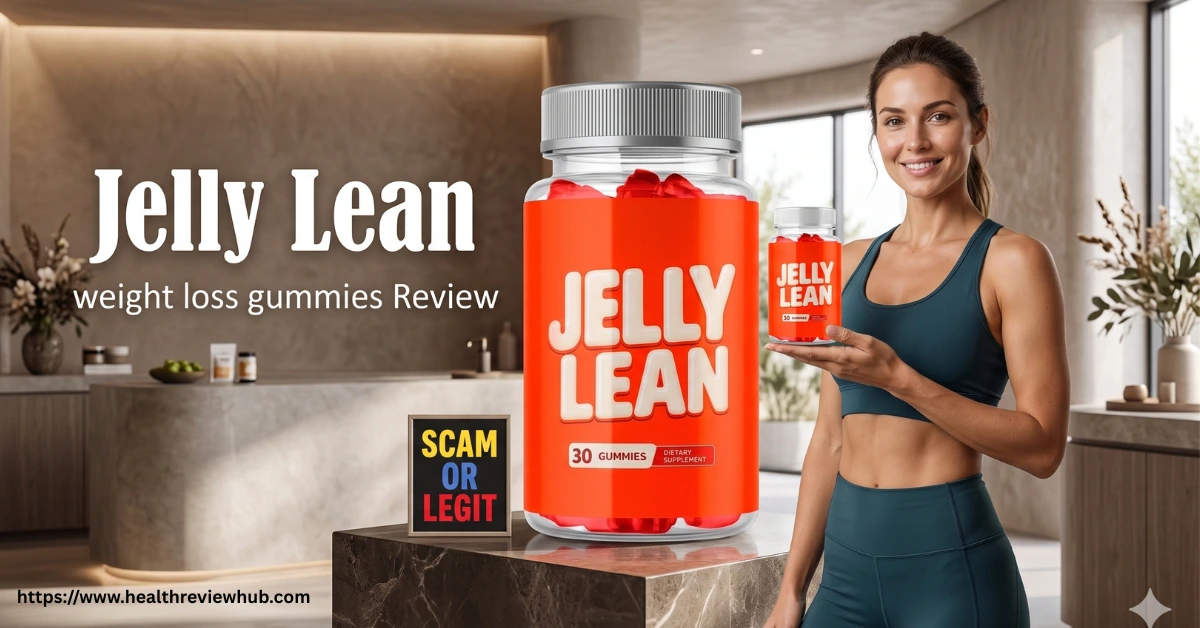
Jelly Lean is a gummy-style supplement sold as a weight loss product. Unlike liquid drop supplements like Jelly Burn or Gelatide, Jelly Lean is marketed in a chewable gummy format — which makes it feel more like a candy or snack than a traditional supplement.
The product is part of a growing wave of supplements that have attached themselves to the viral gelatin trick trend. The basic idea behind the gelatin trick is straightforward: consuming gelatin (a protein-rich, low-calorie food) before meals may help reduce appetite and lead to smaller portions. That concept is grounded in real nutritional science. The question is whether Jelly Lean actually delivers on that concept — or whether it’s just borrowing the trend’s credibility to sell an overpriced gummy.
Jelly Lean is typically sold through standalone product websites and social media ad funnels. Pricing varies, but most listings fall between $40 and $70 per bottle for a 30-day supply. Some sellers offer multi-bottle discounts and subscription options.
How Is Jelly Lean Marketed?
Jelly Lean’s marketing follows a familiar pattern often seen with other “gelatin trick” supplements. The process usually begins when a social media ad appears in your feed, featuring a short video or image tied to the gelatin trend. These ads may reference a celebrity or use their image to suggest endorsement, even if it isn’t clearly verified.
Once you click, you’re redirected to a “news-style” article page. These pages are designed to resemble real news reports or unbiased reviews, often including before-and-after photos, customer testimonials, and urgency-driven phrases like “limited stock” or “selling out fast.”
From there, you’re guided to a checkout page where pricing is structured to encourage bulk purchases through discounts and time-sensitive offers. This approach is commonly used by similar products such as Jelly Burn, Gelatide, and Lean Drops. While not illegal, this strategy is designed to build trust quickly and create urgency, so it’s important to evaluate carefully before making a purchase.
Jelly Lean and Jillian Michaels: Is There an Actual Connection?

One of the most common search queries around Jelly Lean is “Jelly Lean Jillian Michaels” — suggesting that many people first encounter this product through ads that reference the fitness trainer.
The truth: there is no verified endorsement or partnership between Jillian Michaels and Jelly Lean.
As of the time of this writing, Jillian Michaels has not publicly promoted, recommended, or confirmed any involvement with Jelly Lean gummies. Her name and image appear in social media ads for the product, but this follows the exact same pattern we’ve documented extensively with other gelatin trick supplements:
- Gelatide uses similar celebrity-adjacent marketing tactic.
If you’ve seen a Jelly Lean ad featuring Jillian Michaels, treat the endorsement claim with skepticism unless you can verify it on her official website or social media channels. The Jillian Michaels gelatin recipe that people search for is a homemade recipe — not a branded supplement product.
What Does Jelly Lean Claim to Do?
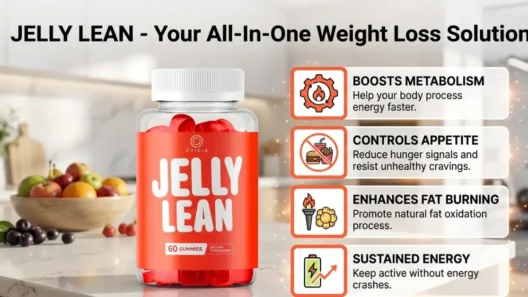
Based on available product listings and marketing materials, Jelly Lean gummies make several claims:
Appetite suppression.
The primary claim is that eating Jelly Lean gummies before meals helps you feel full faster and eat less. This is the same core claim behind the homemade gelatin trick — and it’s the one claim that has at least some nutritional logic behind it, since gelatin is a protein source and protein is the most satiating macronutrient.
GLP-1 support.
Some Jelly Lean marketing materials reference GLP-1 hormones — the same hormones targeted by prescription medications like Ozempic and Mounjaro. This is a significant claim. While certain foods and nutrients can have minor effects on incretin hormone signaling, comparing a gelatin gummy supplement to prescription GLP-1 agonists is a massive overstatement. We covered this in detail in our Jelly Burn review.
Metabolism boosting.
Some listings suggest that Jelly Lean gummies contain additional ingredients that support thermogenesis or “fat burning.” Without a verified, complete ingredient list, it’s difficult to evaluate this claim — but the general pattern with similar products is that any thermogenic ingredients (green tea extract, cayenne, etc.) produce extremely modest effects.
Convenient alternative to the gelatin trick.
This is the most honest claim in the marketing. Making a gelatin drink or setting gelatin cubes does require a few minutes of daily preparation. A pre-made gummy eliminates that step. The question is whether the convenience justifies a 10–50x price premium over the homemade version.
Jelly Lean Ingredients: What’s Likely Inside
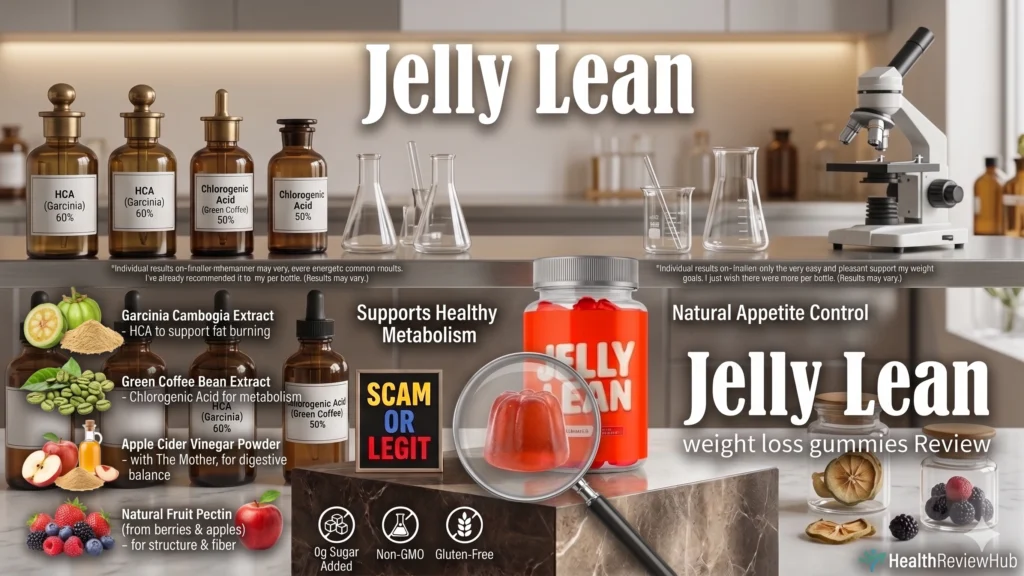
Jelly Lean’s full ingredient list is not consistently disclosed across all sellers — which is itself a concern. Based on available product pages and packaging photos, Jelly Lean gummies likely contain some combination of:
- Gelatin
The primary ingredient, which is the one thing that connects this product to the gelatin trick trend. Gelatin is approximately 85–90% protein by dry weight and has shown satiety-boosting properties in research.
- Sugar or sweeteners
Gummy supplements require a binding and flavoring agent. Most use sugar, corn syrup, or sugar alcohols. This is worth noting because added sugar increases the calorie count and somewhat undercuts the “low-calorie” appeal of plain gelatin.
- Fruit flavoring and coloring
Standard gummy supplement ingredients to make the product palatable.
- Additional supplement ingredients
Some Jelly Lean formulations may include added extracts like apple cider vinegar, green tea, or other trendy weight loss ingredients. The amounts and effectiveness of these additions are unclear without third-party testing.
The key question is how much actual gelatin protein is in each serving compared to the homemade version. A single tablespoon of unflavored gelatin powder contains roughly 6 grams of protein. If Jelly Lean gummies contain significantly less gelatin per serving — diluted with sugar, flavoring, and fillers — the satiety effect would be proportionally weaker.
Does Jelly Lean Actually Work for Weight Loss?
Let’s separate the concept from the product.
The concept — using gelatin for appetite control — has some scientific support.
Gelatin is a protein source, and consuming protein before meals can increase feelings of fullness and lead to reduced calorie intake. A 2009 study from Maastricht University found that gelatin was approximately 40% more satiating than other common protein sources like casein and whey. The mechanism is straightforward: protein is the most filling macronutrient, and gelatin specifically forms a soft gel in the stomach that may enhance that effect.
People who have tried the homemade gelatin trick recipe commonly report eating 20–25% smaller portions and losing 1–3 pounds per month with consistent daily use. These are modest, realistic results — not dramatic transformations.
The product — Jelly Lean specifically — has no published clinical trials.
There is no independent research demonstrating that Jelly Lean gummies produce weight loss, appetite reduction, or any other health benefit. The product has not been evaluated by the FDA for effectiveness (which is true of all dietary supplements, not just this one).
Can a gelatin-based gummy help with appetite? Possibly — if it contains enough gelatin protein to create a meaningful satiety effect. But there’s no evidence that Jelly Lean delivers this effect more effectively than a homemade gelatin drink that costs a fraction of the price.
Jelly Lean vs. Homemade Gelatin Recipes: An Honest Comparison
This is the comparison that matters most. If you’re interested in using gelatin for appetite control, you have two options: buy a branded product like Jelly Lean, or make the gelatin trick at home. Here’s how they stack up:
| Jelly Lean Gummies | Homemade Gelatin Trick | |
| Format | Pre-made gummy supplement | Warm gelatin drink or set jello cubes |
| Main active ingredient | Gelatin + added supplement ingredients | Pure unflavored gelatin powder (85–90% protein) |
| Gelatin per serving | Unclear — diluted with sugar and fillers | ~6g protein per tablespoon (full dose) |
| Added sugar | Likely yes (standard for gummies) | None (unless you add honey or juice) |
| Calories per serving | Varies — gummies typically 15–30 calories | ~25 calories (plain gelatin + water) |
| Cost per serving | ~$1.30–$2.30 | ~$0.10–$0.20 |
| Cost per month | $40–$70 | ~$3–$6 |
| Preparation time | None (ready to eat) | 5–10 minutes |
| Ingredient transparency | Inconsistent across sellers | Complete — you control every ingredient |
| Clinical evidence | None for the product itself | Gelatin satiety research supports the concept |
| Celebrity endorsement | None verified (ads are likely fabricated) | None (and none needed) |
The convenience factor is real — grabbing a gummy is easier than making a gelatin drink every morning. But you’re paying a 10–20x markup for that convenience, and you’re getting a product with unclear gelatin content, added sugar, and no clinical validation.
If the 5-minute daily preparation is genuinely a barrier for you, there’s a middle ground: make a batch of homemade gelatin gummies once per week using unflavored gelatin, a silicone mold, and your choice of juice or flavoring. You get the gummy format with full control over ingredients at a fraction of the cost.
Advantages and Disadvantages of Jelly Lean
To be fair, let’s lay out both sides.
Potential advantages:
- Convenience —
No preparation, no mixing, no cleanup. If you’re someone who won’t stick to a daily routine that requires any kitchen time, a pre-made gummy removes that friction.
- Portability —
Easy to take to work, while traveling, or on the go.
- Taste —
Gummies are generally more palatable than warm gelatin liquid, which some people find unpleasant.
- Gelatin content —
If the product contains meaningful amounts of gelatin protein, it may produce some appetite-reducing effect based on the same mechanism as the homemade version.
Disadvantages:
- Price —
At $40–$70 per month, Jelly Lean costs 10–20x more than the homemade gelatin trick ($3–$6 per month).
- No clinical evidence —
The product itself has not been tested in clinical trials. Any effectiveness claims are based on the general properties of gelatin, not on Jelly Lean specifically.
- Unclear ingredient transparency —
Full ingredient lists are not consistently available across sellers. You may not know exactly how much gelatin protein you’re getting per serving.
- Added sugar —
Gummy supplements typically contain sugar or corn syrup, which adds calories and may be counterproductive for people trying to reduce sugar intake.
- Deceptive marketing —
The use of unverified celebrity endorsements and misleading social media ads is a significant red flag about the company’s trustworthiness.
- Return and refund concerns —
Similar products in this category (Jelly Burn, Gelatide) have generated customer complaints about billing issues and difficult refund processes. Without extensive verified customer data for Jelly Lean specifically, it’s worth being cautious.
Safety Considerations
Gelatin itself is generally recognized as safe. It’s a common food ingredient used in everything from Jell-O to marshmallows to pharmaceutical capsules. There are no widespread safety concerns with consuming gelatin as a food.
That said, there are a few things to keep in mind with any gelatin supplement product:
Source and quality.
Gelatin is derived from animal collagen — typically from beef or pork. If you follow a halal, kosher, or vegetarian/vegan diet, the gelatin source matters. Most commercial gelatin supplements use pork or beef gelatin, and product labeling may not always specify. For more on this, see our halal gelatin guide and does gelatin have pork articles.
Added ingredients.
If Jelly Lean contains additional supplement ingredients beyond gelatin — such as green tea extract, caffeine, or herbal extracts — those additions carry their own safety profiles. People who are pregnant, nursing, taking medications, or managing health conditions should consult a healthcare provider before using any supplement.
Not a meal replacement.
Gelatin-based products should not be used as a substitute for balanced meals. Gelatin is an incomplete protein — it lacks tryptophan and is low in several essential amino acids. It works as a pre-meal appetite tool, not as a primary protein source.
Allergies.
Gelatin allergies are rare but documented. Anyone with a known sensitivity to gelatin or collagen products should avoid gelatin-based supplements.
How Jelly Lean Compares to Other Gelatin Trick Supplements
Jelly Lean is one of several products that have emerged from the gelatin trick trend. Here’s how the landscape currently
All of these products share common characteristics: premium pricing for common ingredients, celebrity-adjacent marketing, unverified health claims, and no published clinical trials. The gummy format makes Jelly Lean slightly more distinctive than the liquid drop products, but the fundamental value proposition is the same.
For a detailed breakdown of the most popular product in this category, see our full Jelly Burn review.
Why Some People Prefer Homemade Gelatin Recipes Instead
The growing backlash against gelatin trick supplements has pushed many people toward the homemade approach — and for good reason.
Full control over ingredients.
When you make the gelatin trick at home, you know exactly what’s in it: unflavored gelatin powder and water. No added sugar, no mystery supplement blends, no fillers. You can customize it with lemon, apple cider vinegar, honey, or juice based on your own preferences and dietary needs.
Higher gelatin protein per serving.
One tablespoon of unflavored gelatin powder delivers approximately 6 grams of protein. A pre-made gummy supplement is diluted with sugar, flavoring, and binding agents — meaning you likely get less active gelatin per serving. If the satiety effect depends on protein content (which it does), the homemade version may actually be more effective.
Dramatically lower cost.
A box of Knox unflavored gelatin costs around $3–$5 and lasts 2–4 weeks depending on daily usage. That’s roughly $0.10–$0.20 per serving versus $1.30–$2.30 per serving for a product like Jelly Lean. Over a year, the savings add up to hundreds of dollars.
No subscription traps or billing issues.
When you buy gelatin powder at the grocery store, you pay once and you’re done. No auto-ship enrollment, no recurring charges, no fight with customer service to cancel.
If you’d like to try the homemade approach, here are the most popular versions:
- Gelatin Trick Recipe — The complete guide to the basic 3-ingredient version
- Jillian Michaels Gelatin Recipe — The fitness-focused variation
- Gelatin Gummies Recipes — Make your own gelatin gummies at home for a fraction of the cost
- Knox Gelatin Guide — How to choose the right gelatin powder
Is Jelly Lean Worth Buying?
Based on everything we’ve covered, here’s a straightforward assessment.
If you’re looking for a convenient, ready-to-eat gelatin supplement and you’re comfortable with the price: Jelly Lean is unlikely to harm you. Gelatin is a safe, common food ingredient. If the gummies contain meaningful amounts of gelatin protein, they may provide a mild appetite-reducing effect when consumed before meals. But “may provide a mild effect” is a long way from the dramatic weight loss that the marketing implies.
If you’re looking for the best value and the most effective version of the gelatin trick: The homemade approach is objectively better in almost every way — more gelatin per serving, no added sugar, full ingredient control, and a cost savings of over 90%. The only trade-off is 5–10 minutes of daily preparation.
If you were drawn to Jelly Lean because of a celebrity endorsement: Be aware that the association between Jelly Lean and Jillian Michaels (or any other celebrity) is unverified. Making a purchase based on a fabricated endorsement means the seller has already demonstrated they’re willing to mislead you — which is worth considering before trusting them with your payment information.
Frequently Asked Questions
Does Jillian Michaels endorse Jelly Lean?
There is no verified endorsement or partnership between Jillian Michaels and Jelly Lean as of April 2026. Ads featuring her name and image appear in social media marketing for the product, but this follows the same pattern of unverified celebrity associations seen with other gelatin trick supplements like Jelly Burn and Gelatide. Do not assume a celebrity endorsement is real unless you can verify it on their official website or social media channels.
Does Jelly Lean actually contain gelatin?
Jelly Lean is marketed as a gelatin-based gummy supplement, so it likely contains some amount of gelatin. However, the exact amount of gelatin protein per serving is not always clearly disclosed. Gummy supplements are typically diluted with sugar, flavoring, and binding agents, meaning the gelatin content per serving may be significantly less than what you’d get from a tablespoon of unflavored gelatin powder.
Is Jelly Lean a scam?
We can’t make a blanket legal determination. What we can say is that Jelly Lean uses unverified celebrity endorsements in its marketing, has no published clinical trials, and follows the same marketing playbook as other gelatin trick supplements that have generated customer complaints. The product itself likely contains standard supplement ingredients that are not harmful — but the marketing tactics raise significant trust concerns.
How much does Jelly Lean cost?
Pricing varies across sellers, but Jelly Lean typically costs between $40 and $70 per bottle for a 30-day supply. Multi-bottle packages are often offered at a discount. By comparison, a box of Knox unflavored gelatin costs $3–$5 and lasts 2–4 weeks — making the homemade gelatin trick roughly 90% cheaper.
Can I make my own gelatin gummies at home instead?
Yes. You can make homemade gelatin gummies using unflavored gelatin powder, a silicone mold, and your choice of juice or flavoring. This gives you the gummy format with full control over ingredients, more gelatin protein per serving, and a cost of roughly $0.10–$0.20 per serving. See our gelatin gummies recipes for instructions.
What’s the difference between Jelly Lean and Jelly Burn?
Jelly Lean is a gummy-format supplement, while Jelly Burn is a liquid drop supplement. Both are marketed through the gelatin trick trend with similar tactics including unverified celebrity endorsements. Neither has published clinical trials. The main difference is the format — gummies versus liquid drops. Both cost significantly more than the homemade gelatin trick they’re based on. See our full Jelly Burn review for a detailed comparison.
Is Jelly Lean FDA approved?
No dietary supplement is ‘FDA approved.’ The FDA does not evaluate dietary supplements for effectiveness before they are sold. Supplements are regulated under different rules than prescription medications — manufacturers are responsible for ensuring safety, but they are not required to prove their product works before selling it.
Does gelatin actually help with weight loss?
Gelatin may help with modest appetite reduction when consumed before meals. It’s approximately 85–90% protein, and protein is the most satiating macronutrient. Some research suggests gelatin is more satiating than other protein sources. People who use the homemade gelatin trick consistently report eating smaller portions and losing 1–3 pounds per month. It is not a rapid weight loss solution and does not replace a balanced diet or exercise. See our full guide on gelatin for weight loss.
The Bottom Line
Jelly Lean is a gelatin gummy supplement that costs $40–$70 per month, uses unverified celebrity endorsements in its marketing, and has no published clinical evidence supporting its effectiveness. The product itself is likely not harmful — gelatin is a safe, common food ingredient — but the value proposition is weak when the homemade gelatin trick costs under $6 per month and likely delivers more gelatin protein per serving.
If the gelatin trick concept interests you, start with the homemade version. It takes 5 minutes a day, costs almost nothing, and gives you complete control over what you’re consuming. If it works for you and you want the convenience of a gummy format, make your own gelatin gummies at home — still cheaper and more transparent than any branded supplement.
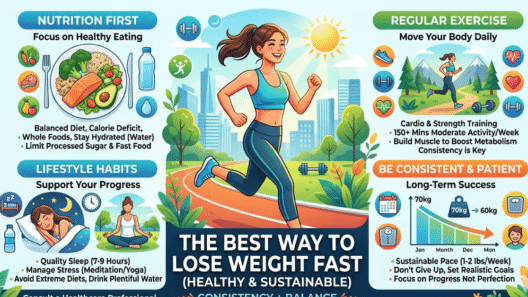
The best approach to sustainable weight management hasn’t changed: balanced nutrition, regular physical activity, adequate sleep, and realistic expectations. A gelatin drink or gummy can be a small, inexpensive tool in that toolkit — but it’s not a shortcut, and no supplement can replace the fundamentals.